I swear this slow roast lamb is all about the joint and that rich, chewy bark wrapped around the most meltingly tender meat. One slice in, and you’ll see why it always steals the show.
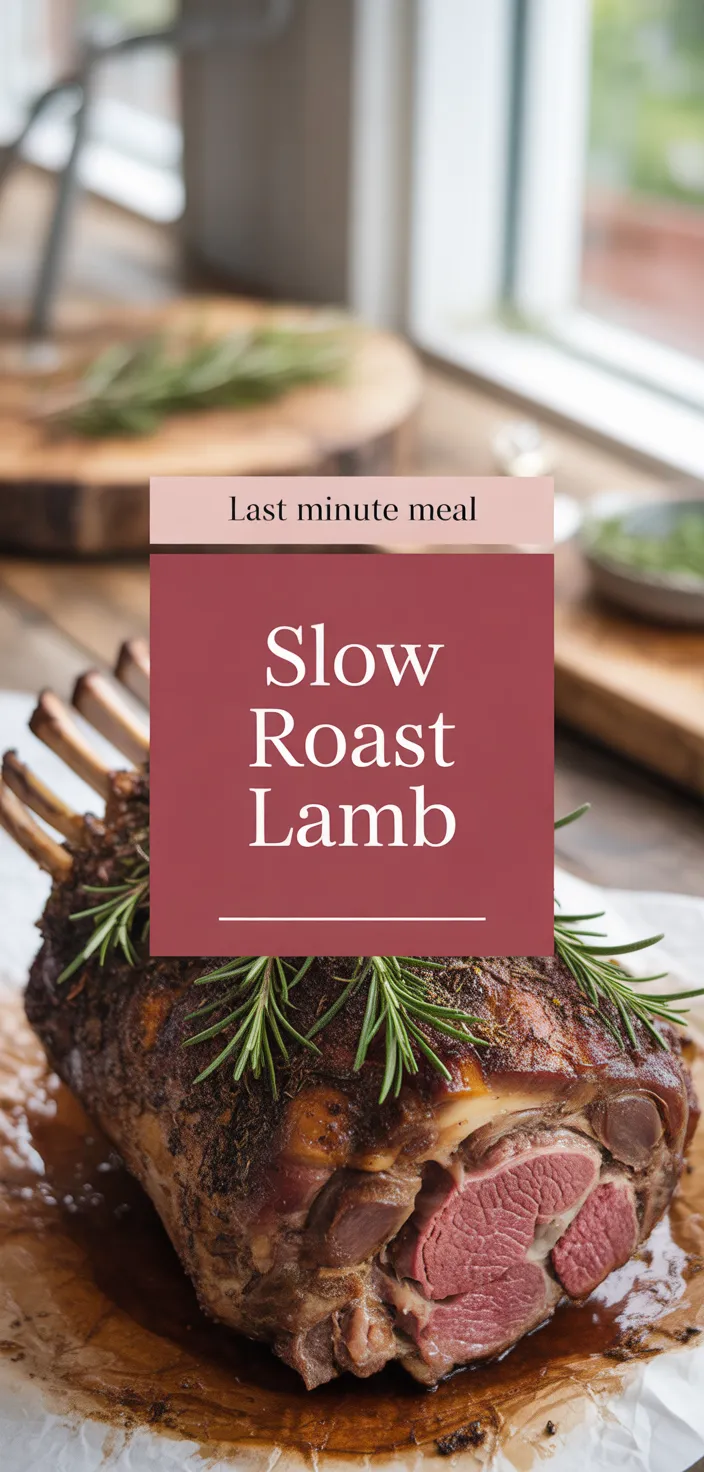
I’m obsessed with slow roast lamb because it gives me the two things I actually care about: that dark, chewy outside and meat that collapses the second I pull at it. Bone in lamb shoulder is my favourite cut for this, because it has enough fat and attitude to turn rich, sticky, and properly savoury without any fuss.
I love the way garlic gets into every bite, sitting under that crusty rub and mixing with all the lamb juices. And yes, I want the gnarly edges.
The bits everyone picks at before dinner. That’s the whole point for me, honestly.
Ingredients
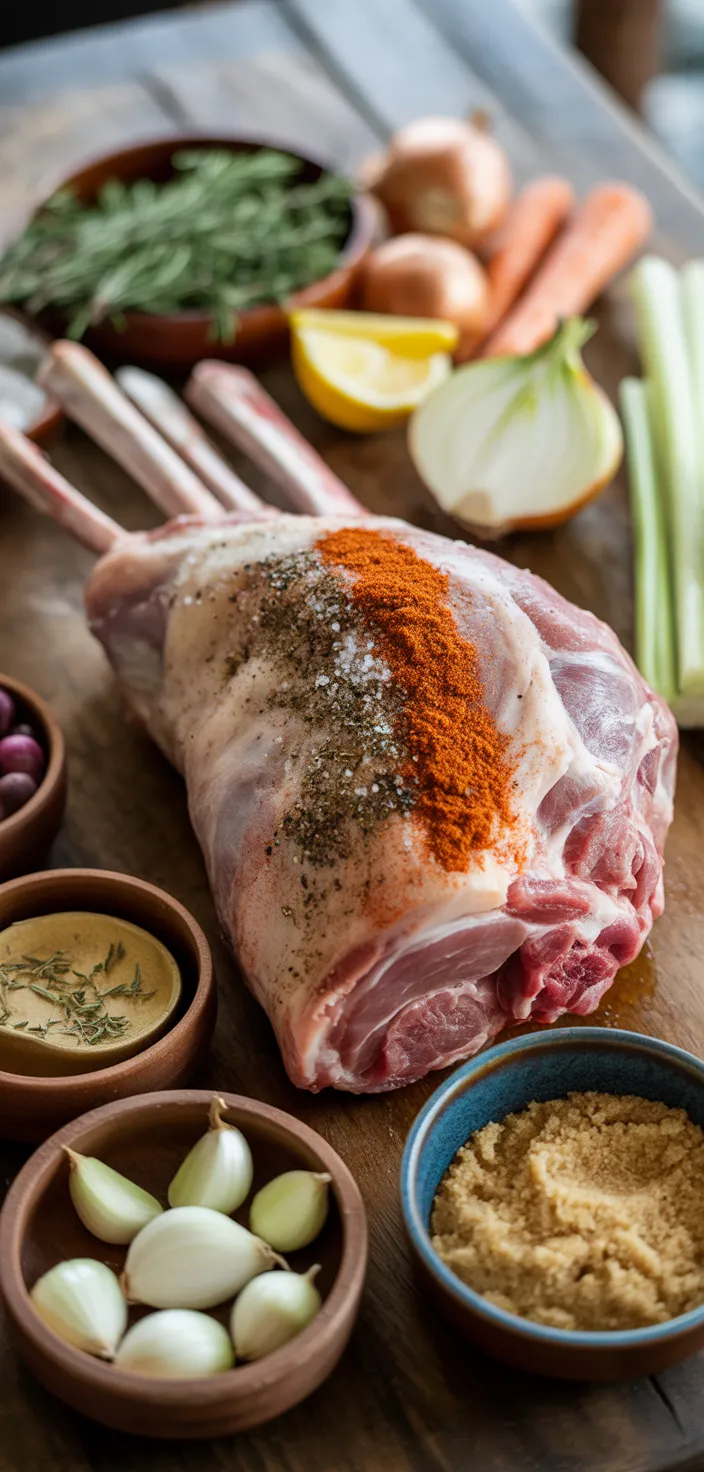
- Bone-in lamb shoulder gets insanely tender, with rich flavor from the bone.
- Sea salt makes the meat taste like itself, just louder.
- Black pepper adds a warm little kick without taking over.
- Garlic melts into the lamb, so every bite feels cozy.
- Rosemary brings that classic roast-lamb smell everyone notices first.
- Thyme keeps things earthy and fresh, not heavy.
- Dijon mustard gives the crust a tangy, savory edge.
- Olive oil helps everything stick and keeps the outside glossy.
- Brown sugar adds gentle sweetness and helps the crust caramelize.
- Smoked paprika gives color, warmth, and a tiny campfire vibe.
- Lemon zest wakes up the richness so it’s not too much.
- Red wine adds depth, if you’re feeling a bit fancy.
- Stock keeps the pan juicy and makes the drippings worth saving.
- Onion, carrots, and celery turn soft, sweet, and seriously good underneath.
- Plus, those veggies help build the best sauce later.
Ingredient Quantities
- Bone in lamb shoulder, about 2.5 to 3 kg
- Sea salt, 2 to 3 tsp (adjust to taste)
- Freshly ground black pepper, 1 to 2 tsp
- Garlic cloves, 6 to 8, peeled and crushed
- Fresh rosemary, 4 to 5 sprigs, leaves chopped
- Fresh thyme, 4 to 5 sprigs, leaves picked
- Dijon mustard, 2 tablespoons
- Olive oil, 3 tablespoons
- Light brown sugar, 2 tablespoons
- Smoked paprika, 1 teaspoon
- Lemon zest from 1 lemon
- Red wine, 150 ml (optional, for roasting pan)
- Lamb or chicken stock, 250 ml (for the pan)
- Onion, 1 large, halved
- Carrots, 2 medium, cut into large pieces
- Celery stalks, 2, cut into large pieces
How to Make this
1. Preheat oven to 140 C and pat the
2.5 to 3 kg bone in lamb shoulder dry with paper towels.
2. Make the rub: combine 2 to 3 tsp sea salt, 1 to 2 tsp freshly ground black pepper, 6 to 8 crushed garlic cloves, chopped leaves from 4 to 5 rosemary sprigs, picked leaves from 4 to 5 thyme sprigs, 2 tablespoons Dijon mustard, 3 tablespoons olive oil, 2 tablespoons light brown sugar, 1 teaspoon smoked paprika and the zest of 1 lemon into a paste.
3. Loosen the skin where possible and work about two thirds of the rub under the skin against the meat; spread the remaining rub over the outside to coat the shoulder evenly.
4. Arrange the halved large onion, 2 carrots cut into large pieces and 2 celery stalks cut into large pieces in the base of a roasting tray to form a bed for the lamb and to flavor the pan juices.
5. Place the lamb on the vegetable bed, pour 150 ml red wine into the pan if using and add 250 ml lamb or chicken stock, taking care not to wash the rub off the meat.
6. Cover the tray tightly with foil or a lid and roast in the preheated oven for 4 to 5 hours, or until the meat is falling apart and a probe inserted near the bone reads about 93 C.
7. Remove the foil, baste the lamb with pan juices, increase the oven temperature to 220 C and roast for a further 20 to 30 minutes to develop a rich, chewy bark on the outside.
8. Transfer the lamb to a board, tent loosely with foil and rest for 20 to 30 minutes to let the juices redistribute.
9. Meanwhile strain the roasting juices, skim any excess fat, reduce with the vegetables and reserved juices on the stove if desired, then season to taste and serve alongside the pulled or carved lamb.
Equipment Needed
1. Oven
2. Large roasting tray with tight fitting lid or heavy-duty foil
3. Instant read meat thermometer or probe
4. Large mixing bowl and spoon for the rub
5. Chef knife and cutting board
6. Tongs for handling the lamb
7. Kitchen paper towels
8. Sieve and saucepan for straining and reducing pan juices
FAQ
Ultimate Slow Roast Lamb Recipe: Best Lamb Shoulder Technique Substitutions and Variations
- Dijon mustard
- Whole grain mustard for texture and mild tang
- English mustard for a hotter, sharper flavor in small amounts
- Greek yogurt mixed with a splash of vinegar for creaminess and acidity
- Prepared horseradish diluted with a little olive oil for a spicy lift
- Fresh rosemary
- Dried rosemary, use about one third of the fresh amount and crush before using
- Sage leaves for an earthy, savory note
- Oregano for a Mediterranean herb alternate with slightly different profile
- Light brown sugar
- Honey for a floral sweetness that helps caramelize
- Maple syrup for deeper, slightly smoky sweetness
- Dark brown sugar for richer molasses flavor, use in equal amount
- Red wine (for the roasting pan)
- Extra stock with a splash of balsamic vinegar for acidity and depth
- Red wine vinegar diluted with water in a 1 to 3 ratio for acidity without alcohol
- Beer or stout for a malty, robust alternative
- Non alcoholic red wine if you want the wine flavor without alcohol
Pro Tips
1. Get the lamb as dry as possible before rubbing it. A well dried surface helps the rub stick and encourages a better crust when you finish at high heat.
2. Push most of the aromatic paste under the skin, but save some for the exterior. That under-skin layer seasons the meat deeply while the outside paste caramelizes into flavor and color during the final blast of heat.
3. Low and slow is forgiving, so check doneness by feel and a probe near the bone rather than time alone. When the meat yields easily and the probe slides in with little resistance you know it is tender enough to pull.
4. Resting is not optional. Let the lamb sit loosely tented for 20 to 30 minutes so juices redistribute and you get moist, not stringy, slices or shreds.
5. Use the pan juices smartly: skim excess fat, then reduce the strained juices with a splash of wine or stock and a knob of butter or a touch of honey to balance acidity and make a glossy, well rounded sauce.
Ultimate Slow Roast Lamb Recipe: Best Lamb Shoulder Technique
My favorite Ultimate Slow Roast Lamb Recipe: Best Lamb Shoulder Technique
Equipment Needed:
1. Oven
2. Large roasting tray with tight fitting lid or heavy-duty foil
3. Instant read meat thermometer or probe
4. Large mixing bowl and spoon for the rub
5. Chef knife and cutting board
6. Tongs for handling the lamb
7. Kitchen paper towels
8. Sieve and saucepan for straining and reducing pan juices
Ingredients:
- Bone in lamb shoulder, about 2.5 to 3 kg
- Sea salt, 2 to 3 tsp (adjust to taste)
- Freshly ground black pepper, 1 to 2 tsp
- Garlic cloves, 6 to 8, peeled and crushed
- Fresh rosemary, 4 to 5 sprigs, leaves chopped
- Fresh thyme, 4 to 5 sprigs, leaves picked
- Dijon mustard, 2 tablespoons
- Olive oil, 3 tablespoons
- Light brown sugar, 2 tablespoons
- Smoked paprika, 1 teaspoon
- Lemon zest from 1 lemon
- Red wine, 150 ml (optional, for roasting pan)
- Lamb or chicken stock, 250 ml (for the pan)
- Onion, 1 large, halved
- Carrots, 2 medium, cut into large pieces
- Celery stalks, 2, cut into large pieces
Instructions:
1. Preheat oven to 140 C and pat the
2.5 to 3 kg bone in lamb shoulder dry with paper towels.
2. Make the rub: combine 2 to 3 tsp sea salt, 1 to 2 tsp freshly ground black pepper, 6 to 8 crushed garlic cloves, chopped leaves from 4 to 5 rosemary sprigs, picked leaves from 4 to 5 thyme sprigs, 2 tablespoons Dijon mustard, 3 tablespoons olive oil, 2 tablespoons light brown sugar, 1 teaspoon smoked paprika and the zest of 1 lemon into a paste.
3. Loosen the skin where possible and work about two thirds of the rub under the skin against the meat; spread the remaining rub over the outside to coat the shoulder evenly.
4. Arrange the halved large onion, 2 carrots cut into large pieces and 2 celery stalks cut into large pieces in the base of a roasting tray to form a bed for the lamb and to flavor the pan juices.
5. Place the lamb on the vegetable bed, pour 150 ml red wine into the pan if using and add 250 ml lamb or chicken stock, taking care not to wash the rub off the meat.
6. Cover the tray tightly with foil or a lid and roast in the preheated oven for 4 to 5 hours, or until the meat is falling apart and a probe inserted near the bone reads about 93 C.
7. Remove the foil, baste the lamb with pan juices, increase the oven temperature to 220 C and roast for a further 20 to 30 minutes to develop a rich, chewy bark on the outside.
8. Transfer the lamb to a board, tent loosely with foil and rest for 20 to 30 minutes to let the juices redistribute.
9. Meanwhile strain the roasting juices, skim any excess fat, reduce with the vegetables and reserved juices on the stove if desired, then season to taste and serve alongside the pulled or carved lamb.