
I never knew homemade beef stock and broth could turn out this rich, glossy, and deeply savory with such humble ingredients. One spoonful and store-bought cartons suddenly feel impossible to go back to.
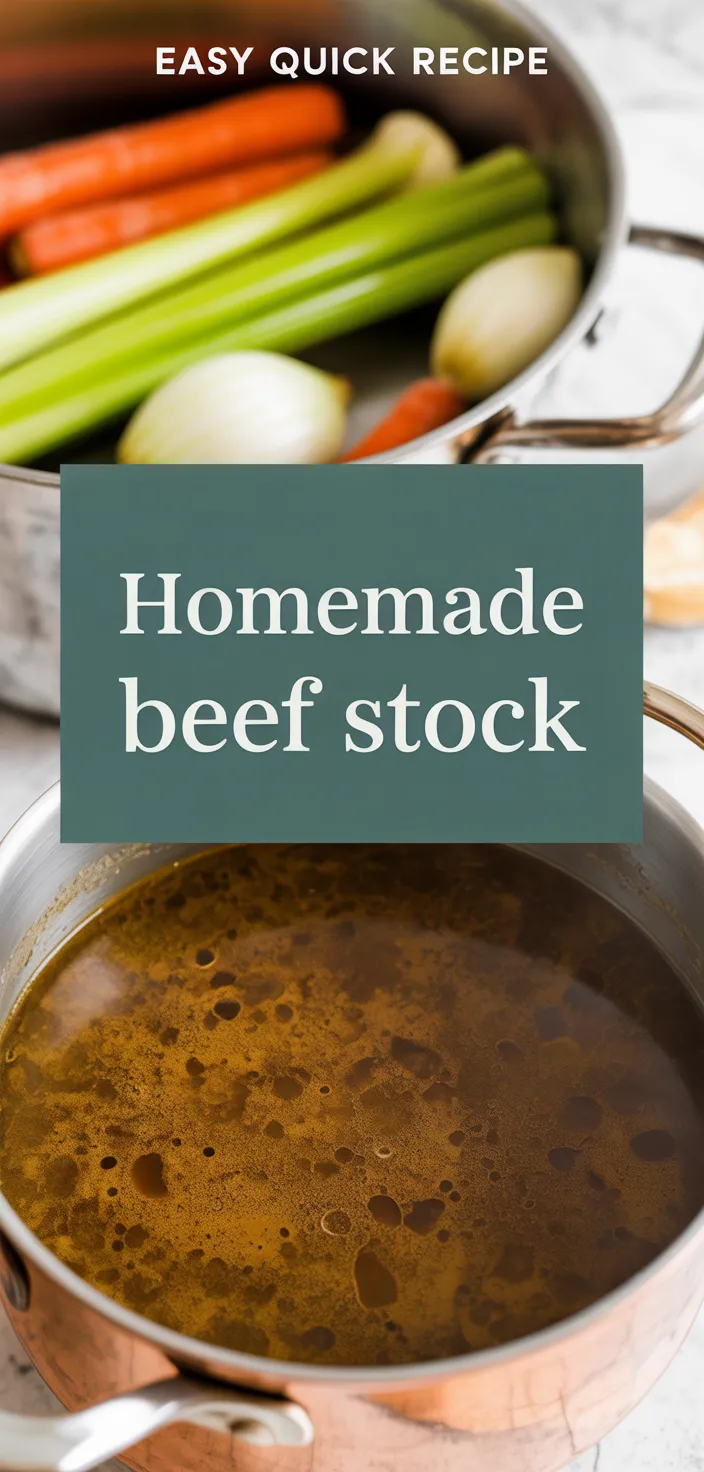
I’m obsessed with beef stock because it tastes like the backbone of every serious meal I want to eat. When beef bones hit the pot, I know I’m headed for something rich, glossy, and deeply savory, the kind of broth I want to sip straight before it ever touches noodles, rice, or gravy.
I love the way tomato paste brings that dark, roasty edge without stealing the show. And yes, I absolutely judge a fridge by whether there’s a jar of this waiting inside.
Not fancy. Just bold, beefy liquid gold that makes everything else taste like it tried harder.
Ingredients
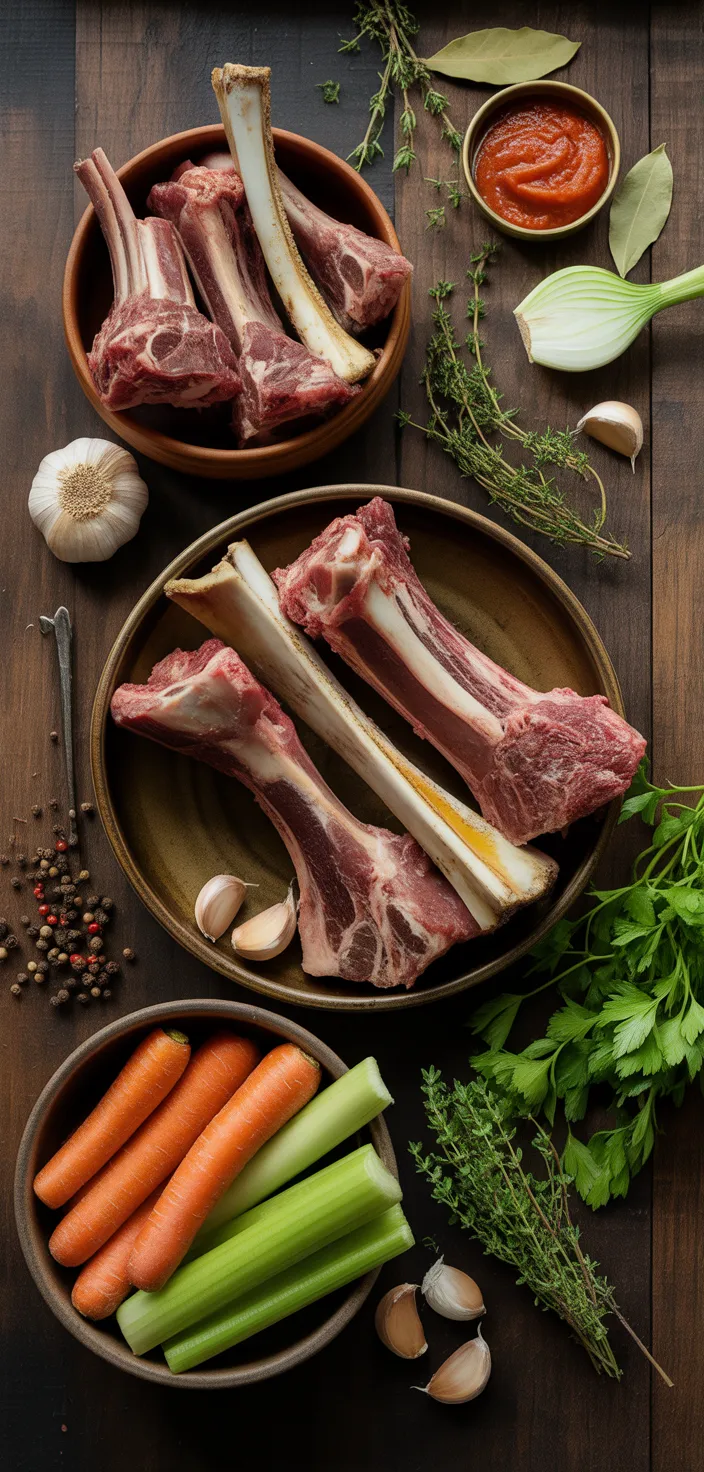
- Beef bones bring body, richness, and that cozy, sip-it-straight kind of flavor.
- Marrow bones add silky fat, while joint bones help make the stock nicely gel.
- Onions, skins and all, give deep color and a mellow, savory sweetness.
- Carrots add gentle sweetness so the stock doesn’t taste flat or too heavy.
- Celery keeps things fresh and a little earthy, like good soup should.
- Garlic brings warmth and depth without making the stock taste super garlicky.
- Tomato paste adds color, umami, and a tiny tang that rounds everything out.
- Bay leaves give that quiet background flavor you miss when it’s not there.
- Thyme tastes woodsy and comforting, basically perfect with beef.
- Parsley stems add freshness, and yep, they’re totally worth saving.
- Peppercorns bring gentle heat, not spicy, just a little grown-up bite.
- Vinegar helps pull collagen from the bones, so you’ll get better texture.
- Salt wakes everything up, but it’s smarter to adjust it at the end.
- Cold water gives the bones room to share all their good stuff slowly.
- Plus, roasting the bones first makes the whole pot taste deeper and toastier.
Ingredient Quantities
- 5 to 6 pounds beef bones, a mix of marrow bones and knuckle or joint bones, roasted for best flavor or raw if preferred
- 2 medium yellow onions, unpeeled and quartered
- 3 medium carrots, roughly chopped
- 3 celery stalks, roughly chopped
- 6 garlic cloves, smashed
- 2 tablespoons tomato paste
- 2 bay leaves
- 6 to 8 sprigs fresh thyme or 1 teaspoon dried thyme
- 1 large handful fresh parsley stems
- 1 tablespoon whole black peppercorns
- 2 tablespoons apple cider vinegar or white vinegar to help extract collagen
- Salt to taste, start with 1 to 2 teaspoons and adjust after cooking
- About 6 to 8 quarts cold water to cover the bones and vegetables
How to Make this
1. Preheat oven to 425 F if roasting bones; spread bones on a baking sheet and roast 30 to 45 minutes until deeply browned for best flavor, turning once. Alternatively use raw bones.
2. Transfer bones to a large stockpot or heavy Dutch oven. Add onions (unpeeled and quartered), carrots, celery, smashed garlic, tomato paste, bay leaves, thyme, parsley stems, and peppercorns.
3. Pour in cold water to cover bones and vegetables by about 1 inch, about 6 to 8 quarts, and add 2 tablespoons apple cider or white vinegar to help extract collagen.
4. Let the bones and vinegar-water sit 30 to 60 minutes before heating to begin drawing out minerals.
5. Bring pot slowly to a gentle simmer over medium heat. As it heats, skim and discard any scum or foam that rises to the surface to keep the stock clear.
6. Reduce heat to the lowest setting to maintain a very gentle simmer. Partially cover the pot and simmer 10 to 12 hours for a gelatinous, flavorful stock. You can simmer up to 24 hours for even more extraction if desired. Add water as needed to keep bones submerged.
7. About 30 minutes before finishing, taste and adjust seasoning but do not oversalt; start with 1 to 2 teaspoons salt and adjust after cooling as needed.
8. When done, remove from heat and strain the stock through a fine-mesh sieve or cheesecloth into a large container, discarding solids.
9. Cool the strained stock quickly by dividing into smaller containers or an ice bath, then refrigerate until fat rises and solidifies on top.
10. Skim off and reserve or discard fat, store stock in the refrigerator for up to 4 to 5 days or freeze for up to 6 months. Reheat gently and adjust salt before using.
Equipment Needed
1. Rimmed baking sheet
2. Large stockpot or heavy Dutch oven (6 to 8 quart)
3. Tongs or sturdy spatula
4. Chef knife
5. Cutting board
6. Wooden spoon or heatproof stirring utensil
7. Fine mesh sieve and/or cheesecloth
8. Large heatproof bowl or container for straining
9. Ladle and measuring spoons
10. Refrigerator or freezer safe containers for storage
FAQ
Making High Quality Beef Stock At Home Recipe Substitutions and Variations
- Beef bones: use veal bones for a lighter, gelatin-rich stock or a mix of pork neck and ham hock for a flavorful, slightly fattier alternative.
- Yellow onions: substitute white onions or shallots for a milder and slightly sweeter note.
- Tomato paste: replace with 2 to 3 tablespoons of crushed tomatoes or a splash of dry red wine to add acidity and depth.
- Apple cider vinegar: use white wine vinegar or a squeeze of lemon juice to help extract collagen without altering flavor.
Pro Tips
1. Roast the marrow and joint bones until really browned if you can. The deeper the color the richer and more complex the finished stock will taste. If you skip roasting, increase simmer time slightly to coax more flavor out.
2. Don’t rush the cooldown. Divide the hot stock into smaller containers or set the pot in an ice bath to bring the temperature down quickly. This keeps it safer, helps the fat rise and solidify cleanly, and makes skimming much easier.
3. Keep the simmer gentle. A hard boil clouds the stock and breaks down delicate flavors. A barely moving surface for hours yields the clearest, most gelatinous result.
4. Taste and salt after cooling a bit. Stock concentrates as it reduces and chills, so it is easy to over-salt during the long simmer. Adjust seasoning when the stock is warm or after refrigeration for the most accurate seasoning.
5. Save the solids for more use. Roasted bones, carrots and onions still hold flavor and some nutrients. Pick the meat off used bones for soups or stews, and puree softened vegetables into sauces or pet food rather than throwing them away.
Making High Quality Beef Stock At Home Recipe
My favorite Making High Quality Beef Stock At Home Recipe
Equipment Needed:
1. Rimmed baking sheet
2. Large stockpot or heavy Dutch oven (6 to 8 quart)
3. Tongs or sturdy spatula
4. Chef knife
5. Cutting board
6. Wooden spoon or heatproof stirring utensil
7. Fine mesh sieve and/or cheesecloth
8. Large heatproof bowl or container for straining
9. Ladle and measuring spoons
10. Refrigerator or freezer safe containers for storage
Ingredients:
- 5 to 6 pounds beef bones, a mix of marrow bones and knuckle or joint bones, roasted for best flavor or raw if preferred
- 2 medium yellow onions, unpeeled and quartered
- 3 medium carrots, roughly chopped
- 3 celery stalks, roughly chopped
- 6 garlic cloves, smashed
- 2 tablespoons tomato paste
- 2 bay leaves
- 6 to 8 sprigs fresh thyme or 1 teaspoon dried thyme
- 1 large handful fresh parsley stems
- 1 tablespoon whole black peppercorns
- 2 tablespoons apple cider vinegar or white vinegar to help extract collagen
- Salt to taste, start with 1 to 2 teaspoons and adjust after cooking
- About 6 to 8 quarts cold water to cover the bones and vegetables
Instructions:
1. Preheat oven to 425 F if roasting bones; spread bones on a baking sheet and roast 30 to 45 minutes until deeply browned for best flavor, turning once. Alternatively use raw bones.
2. Transfer bones to a large stockpot or heavy Dutch oven. Add onions (unpeeled and quartered), carrots, celery, smashed garlic, tomato paste, bay leaves, thyme, parsley stems, and peppercorns.
3. Pour in cold water to cover bones and vegetables by about 1 inch, about 6 to 8 quarts, and add 2 tablespoons apple cider or white vinegar to help extract collagen.
4. Let the bones and vinegar-water sit 30 to 60 minutes before heating to begin drawing out minerals.
5. Bring pot slowly to a gentle simmer over medium heat. As it heats, skim and discard any scum or foam that rises to the surface to keep the stock clear.
6. Reduce heat to the lowest setting to maintain a very gentle simmer. Partially cover the pot and simmer 10 to 12 hours for a gelatinous, flavorful stock. You can simmer up to 24 hours for even more extraction if desired. Add water as needed to keep bones submerged.
7. About 30 minutes before finishing, taste and adjust seasoning but do not oversalt; start with 1 to 2 teaspoons salt and adjust after cooling as needed.
8. When done, remove from heat and strain the stock through a fine-mesh sieve or cheesecloth into a large container, discarding solids.
9. Cool the strained stock quickly by dividing into smaller containers or an ice bath, then refrigerate until fat rises and solidifies on top.
10. Skim off and reserve or discard fat, store stock in the refrigerator for up to 4 to 5 days or freeze for up to 6 months. Reheat gently and adjust salt before using.