
I turned freezer scraps into a zero-cost Veggie Powder Recipe that lives in a jar, keeps forever, contains no additives or glutamate, and makes any lazy soup or sauce actually taste like you tried.
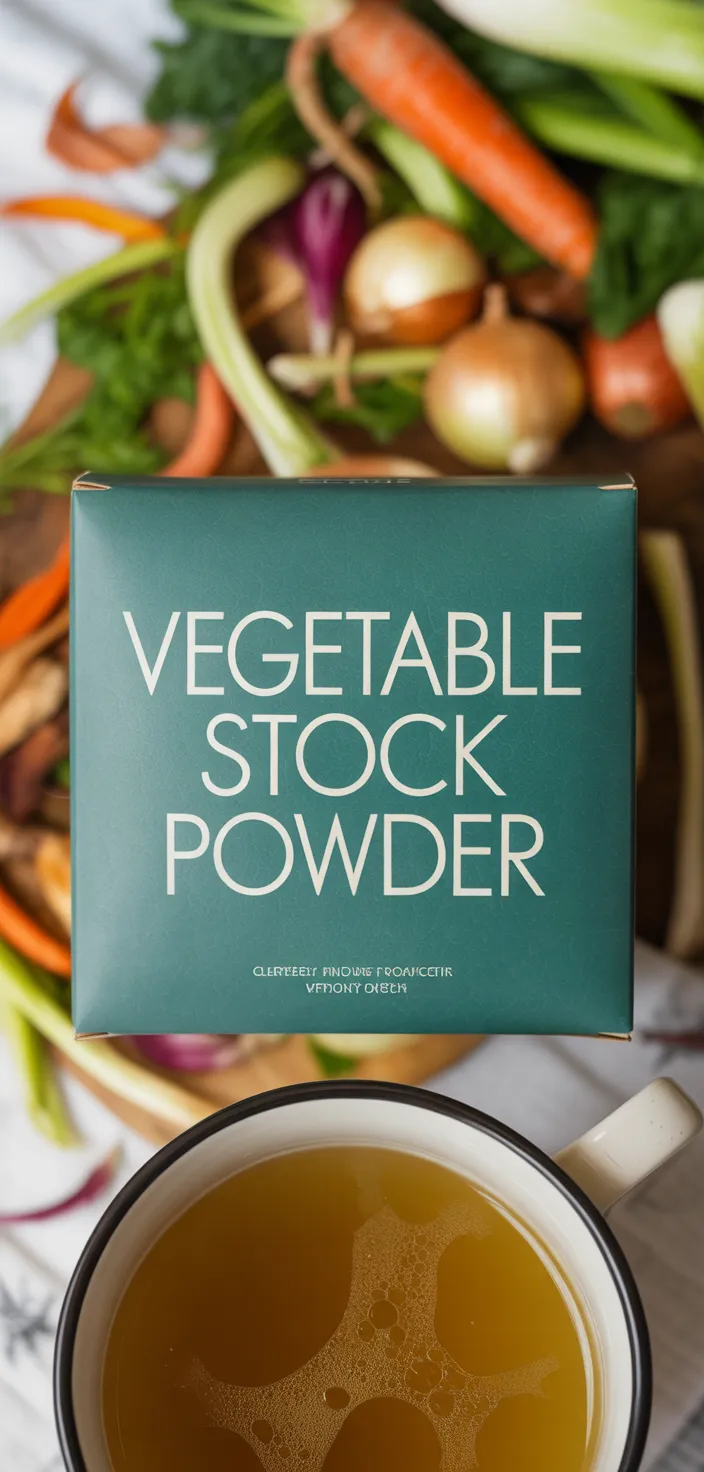
I’m obsessed with this homemade Stock Powder because it’s pure pantry magic and zero waste. I love how a little jar of Veggie Powder wipes out boring meals and makes my soups actually sing.
I toss in frozen vegetable scraps (onion skins, carrot peels, celery leaves, leek greens, parsley stems, mushroom stems, garlic skins) and sometimes dried mushrooms for extra depth. No garbage additives, no weird glutamate.
It’s savory, honest, and ridiculously useful when I want big flavor without fuss. And it lasts forever, ready whenever I need a fast, natural boost in stews, sauces, grains, and roasted veg too.
Ingredients
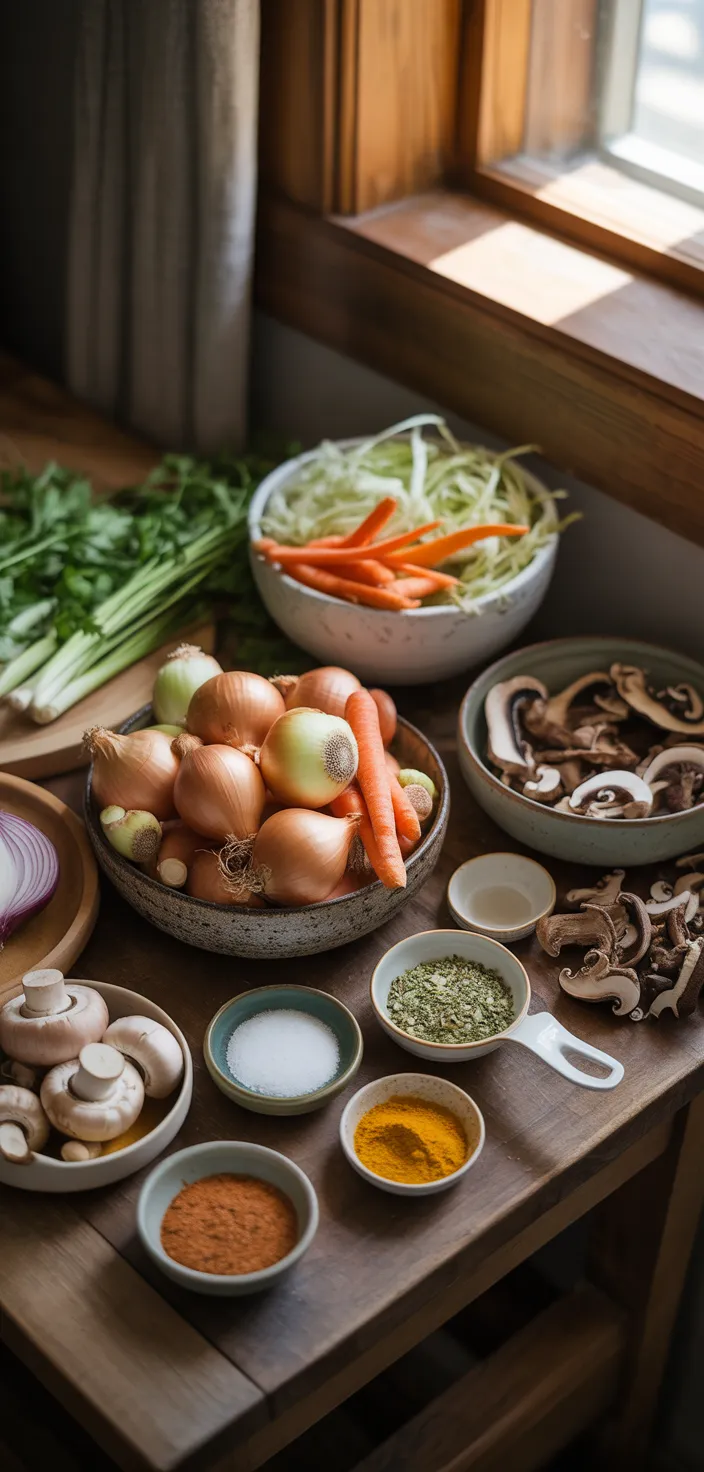
- Frozen veggie scraps: Basically, adds body and real veggie goodness, like homemade comfort.
- Dried mushrooms: Adds deep umami, like a savory secret weapon.
- Fine sea or kosher salt: It’s the backbone, brings everything into focus.
- Dried onion flakes/powder: Gives sweet, savory punch without fuss.
- Carrot powder: Adds mellow sweetness and a touch of natural color.
- Celery leaves/powder: Basically, brings that classic soup-base aromatics and brightness.
- Dried parsley: Fresh herbal lift, light and familiar.
- Dried thyme: Tiny earthy note, kinda woodsy and comforting.
- Oregano or basil: Your choice, gives Mediterranean warmth or sweet herb vibes.
- Ground black pepper: It’s the gentle heat that keeps things interesting.
- Garlic powder: Adds garlicky depth, skip if you’ve got lots of skins.
- Turmeric (optional): Plus, gives color and a subtle earthy hint, low-key warmth.
Ingredient Quantities
- 4 cups frozen vegetable scraps (onion skins, carrot peels, celery leaves, leek greens, parsley stems, mushroom stems, garlic skins), roughly 300 to 400 g
- 1 cup dried mushrooms, chopped fine or powdered (optional for extra depth)
- 3 tablespoons fine sea salt or kosher salt, adjusted to taste
- 2 tablespoons dried onion flakes or 2 teaspoons onion powder
- 2 tablespoons dried carrot powder or finely ground dried carrots
- 1 tablespoon dried celery leaves or celery powder
- 1 tablespoon dried parsley
- 1 teaspoon dried thyme
- 1 teaspoon dried oregano or basil, your choice
- 1 teaspoon ground black pepper
- 1 teaspoon garlic powder (skip if you used lots of garlic skins)
- Optional: 1 teaspoon turmeric for color and a subtle earthy note
How to Make this
1. Preheat your oven to 200 F (95 C) or set a dehydrator to the same temperature; line a baking sheet with parchment or use dehydrator trays.
2. Spread 4 cups frozen vegetable scraps (onion skins, carrot peels, celery leaves, leek greens, parsley stems, mushroom stems, garlic skins) in a single layer. Add 1 cup chopped dried mushrooms if you want extra depth.
3. Roast/dry the scraps until completely brittle and bone dry, about 3 to 6 hours in the oven or 6 to 12 hours in a dehydrator, stirring every 30 to 60 minutes so nothing burns. They should snap when bent.
4. Let the dried scraps cool, then break them into smaller pieces with your hands. Transfer to a blender, high speed grinder, or food processor.
5. Add the dry powders and seasonings: 3 tablespoons fine sea salt or kosher salt, 2 tablespoons dried onion flakes or 2 teaspoons onion powder, 2 tablespoons dried carrot powder or finely ground dried carrots, 1 tablespoon dried celery leaves or celery powder, 1 tablespoon dried parsley, 1 teaspoon dried thyme, 1 teaspoon dried oregano or basil, 1 teaspoon ground black pepper, 1 teaspoon garlic powder (skip if you used lots of garlic skins), and 1 teaspoon turmeric if using.
6. Grind everything to a fine, even powder. Stop and scrape the sides a few times so there are no larger bits. If the mix feels a bit coarse, sieve through a fine mesh and reprocess any big pieces.
7. Taste a tiny pinch and adjust salt or herbs as needed. Remember the flavor concentrates when powdered, so a little goes a long way.
8. For extra shelf life, spread the powder on a tray and dry in the oven or dehydrator for another 15 to 30 minutes at 200 F (95 C) to remove any remaining moisture, then cool completely.
9. Store the powder in airtight jars or containers with a tight lid, in a cool dark place. Use within a year for best flavor, or freeze for longer storage. Label the jar with date and contents.
10. To use: stir 1 teaspoon of powder into 1 cup hot water for a basic broth, or start with 1/2 teaspoon and adjust to taste in sauces, soups, or grains. Remember salt level if you add more salty ingredients.
Equipment Needed
1. Oven or dehydrator, with temperature control (to dry at 200 F / 95 C)
2. Rimmed baking sheet lined with parchment paper, or dehydrator trays
3. Large mixing bowl and heatproof spatula or wooden spoon for stirring and cooling
4. High speed blender, food processor, or coffee/spice grinder to make a fine powder
5. Fine mesh sieve to catch and reprocess any coarse bits
6. Kitchen scale and measuring spoons for accurate salt and spice amounts
7. Oven mitts or heatproof gloves and tongs for safety when handling hot trays
8. Airtight jars or containers for storage, plus labels and a marker for date/content
FAQ
Vegetable Stock Powder Recipe Substitutions and Variations
- Frozen vegetable scraps: use fresh veggie trimmings if you don’t freeze them, or toss in a cup of canned vegetables (drained) for similar bulk and flavor. Fresh will need a quick roast or simmer to deepen taste, it’s fine either way.
- Dried mushrooms: swap for powdered porcini or ground shiitake, or even 1 tablespoon mushroom bouillon powder for extra umami if you dont have dried mushrooms.
- Fine sea salt: cut salt by half and add 1 to 2 tablespoons nutritional yeast or 1 tablespoon white miso powder to keep savory depth while lowering straight saltiness.
- Dried carrot powder: you can use 1 tablespoon sweet smoked paprika or 1 tablespoon tomato powder or roasted red pepper powder to add color and a sweet-vegetal note when carrot powder isn’t available.
Pro Tips
1. Roast/dry a small test batch first to dial in time and temp for your oven or dehydrator. Ovens vary a lot, so you might think it needs 3 hours but it could take 5. It’s better to catch it before everything turns slightly bitter from over-roasting.
2. Crush big, fibrous bits by hand before grinding and pulse the blender instead of running it full blast. That helps avoid overheating the machine and gives a more even powder. If some pieces stay stubborn, re-dry them briefly then try again.
3. Taste as you go, especially for salt. Because everything concentrates when dried, add a little less than you think and correct later. If you oversalt, mix in extra powdered veg or a bit of powdered mushroom to mellow it.
4. Store in small portions and keep one jar in the freezer. Oxygen and humidity are the enemies, so airtight jars with a little desiccant packet are ideal. Freezing a backup keeps freshness longer and saves you from wasting the whole batch if one jar gets moisture.
Vegetable Stock Powder Recipe
My favorite Vegetable Stock Powder Recipe
Equipment Needed:
1. Oven or dehydrator, with temperature control (to dry at 200 F / 95 C)
2. Rimmed baking sheet lined with parchment paper, or dehydrator trays
3. Large mixing bowl and heatproof spatula or wooden spoon for stirring and cooling
4. High speed blender, food processor, or coffee/spice grinder to make a fine powder
5. Fine mesh sieve to catch and reprocess any coarse bits
6. Kitchen scale and measuring spoons for accurate salt and spice amounts
7. Oven mitts or heatproof gloves and tongs for safety when handling hot trays
8. Airtight jars or containers for storage, plus labels and a marker for date/content
Ingredients:
- 4 cups frozen vegetable scraps (onion skins, carrot peels, celery leaves, leek greens, parsley stems, mushroom stems, garlic skins), roughly 300 to 400 g
- 1 cup dried mushrooms, chopped fine or powdered (optional for extra depth)
- 3 tablespoons fine sea salt or kosher salt, adjusted to taste
- 2 tablespoons dried onion flakes or 2 teaspoons onion powder
- 2 tablespoons dried carrot powder or finely ground dried carrots
- 1 tablespoon dried celery leaves or celery powder
- 1 tablespoon dried parsley
- 1 teaspoon dried thyme
- 1 teaspoon dried oregano or basil, your choice
- 1 teaspoon ground black pepper
- 1 teaspoon garlic powder (skip if you used lots of garlic skins)
- Optional: 1 teaspoon turmeric for color and a subtle earthy note
Instructions:
1. Preheat your oven to 200 F (95 C) or set a dehydrator to the same temperature; line a baking sheet with parchment or use dehydrator trays.
2. Spread 4 cups frozen vegetable scraps (onion skins, carrot peels, celery leaves, leek greens, parsley stems, mushroom stems, garlic skins) in a single layer. Add 1 cup chopped dried mushrooms if you want extra depth.
3. Roast/dry the scraps until completely brittle and bone dry, about 3 to 6 hours in the oven or 6 to 12 hours in a dehydrator, stirring every 30 to 60 minutes so nothing burns. They should snap when bent.
4. Let the dried scraps cool, then break them into smaller pieces with your hands. Transfer to a blender, high speed grinder, or food processor.
5. Add the dry powders and seasonings: 3 tablespoons fine sea salt or kosher salt, 2 tablespoons dried onion flakes or 2 teaspoons onion powder, 2 tablespoons dried carrot powder or finely ground dried carrots, 1 tablespoon dried celery leaves or celery powder, 1 tablespoon dried parsley, 1 teaspoon dried thyme, 1 teaspoon dried oregano or basil, 1 teaspoon ground black pepper, 1 teaspoon garlic powder (skip if you used lots of garlic skins), and 1 teaspoon turmeric if using.
6. Grind everything to a fine, even powder. Stop and scrape the sides a few times so there are no larger bits. If the mix feels a bit coarse, sieve through a fine mesh and reprocess any big pieces.
7. Taste a tiny pinch and adjust salt or herbs as needed. Remember the flavor concentrates when powdered, so a little goes a long way.
8. For extra shelf life, spread the powder on a tray and dry in the oven or dehydrator for another 15 to 30 minutes at 200 F (95 C) to remove any remaining moisture, then cool completely.
9. Store the powder in airtight jars or containers with a tight lid, in a cool dark place. Use within a year for best flavor, or freeze for longer storage. Label the jar with date and contents.
10. To use: stir 1 teaspoon of powder into 1 cup hot water for a basic broth, or start with 1/2 teaspoon and adjust to taste in sauces, soups, or grains. Remember salt level if you add more salty ingredients.