
I just nailed a Toum Garlic Sauce that turns boring chicken into something I want to eat every day, so you’ll want to keep scrolling.
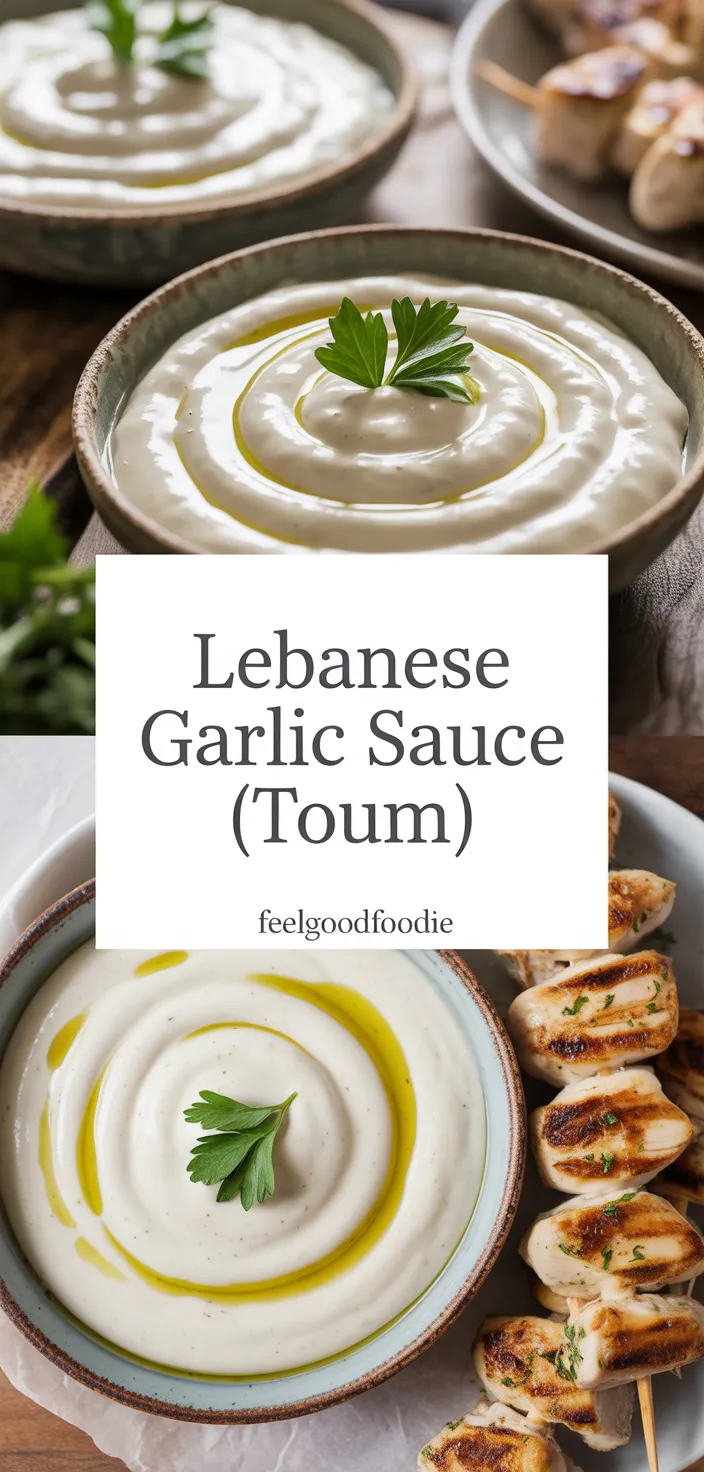
I’m obsessed with Toum Garlic Sauce the way some people are about chocolate. It’s loud, creamy, and makes me talk faster.
I keep thinking about that punchy garlic smell from 1 head garlic, peeled, about 10 to 12 cloves and the bright pop of 3 tablespoons fresh lemon juice, strained. Garlic Toum sits on my table with everything, roasted chicken, fries, sad salads, and suddenly they’re worth eating.
But it’s not fancy, it’s honest and ruthless about flavor. I want it on my plate every day.
I crave that punch until the jar is empty. Pure garlic happiness.
No apologies.
Ingredients
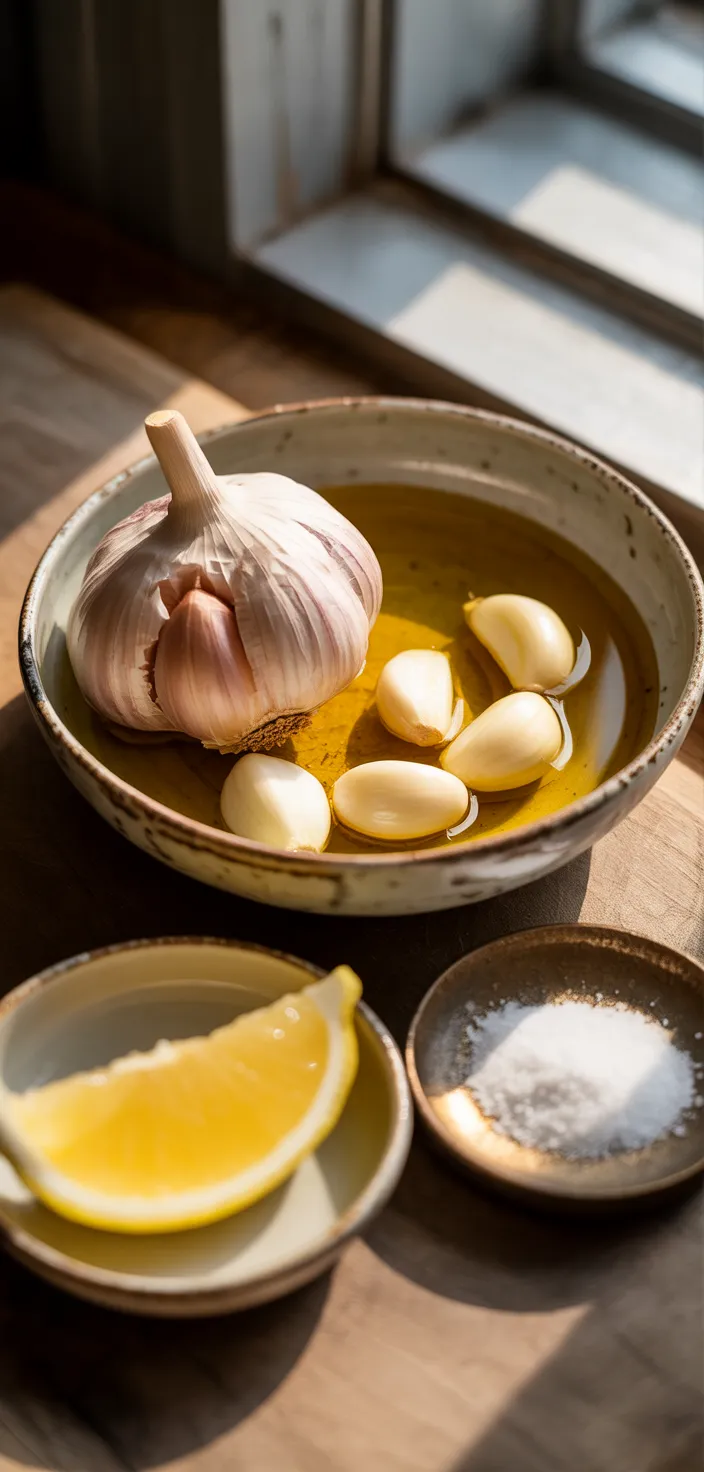
- Garlic: raw punch, breath-holding heat, zesty backbone.
Basically your sauce’s bold personality.
- Plus neutral oil gives silky texture, mellowing garlic and making it spreadable.
- Lemon: bright acid that cuts richness, keeps it tasting fresh and awake.
- Salt: lifts flavors, tames bitterness, makes it pop.
You’ll tweak to taste.
Ingredient Quantities
- 1 head garlic, peeled, about 10 to 12 cloves
- 1 cup neutral oil, such as sunflower, canola or grapeseed (about 240 ml)
- 3 tablespoons fresh lemon juice, strained
- 1 teaspoon fine salt, or to taste
How to Make this
1. Peel the garlic and trim the ends, then pulse it in a food processor with the salt until it becomes a very fine paste, scraping down the sides as needed.
2. Add 1 tablespoon of the lemon juice to the garlic paste and pulse once or twice to combine; this helps stabilize the emulsion so it doesn’t break later.
3. With the processor running on low, start adding the oil drop by drop, literally a thin stream, for the first minute so the emulsion forms. Patience here is everything.
4. Once the mixture starts to thicken and look creamy, you can increase to a thin steady stream of oil while the processor runs. Keep the machine moving and scrape sides occasionally.
5. After about half the oil is in and the texture is marshmallow-like, add the remaining lemon juice in a slow stream, then continue adding the rest of the oil until all of it is incorporated and the sauce is fluffy.
6. If the sauce looks too thin or breaks, stop adding oil, add a teaspoon of cold water or an ice cube, pulse a few times, then continue slowly adding oil; if it’s too thick, add a little more lemon juice or a tiny bit of water and pulse.
7. Taste and adjust salt and lemon to your liking; remember flavors settle after an hour, so err on slightly brighter.
8. Transfer to a clean jar, press plastic wrap directly on the surface to minimize discoloration, and refrigerate. It keeps well for up to 2 weeks but is best within 3 to 5 days.
9. Serve at room temperature with grilled chicken, shawarma, fries or as a dip; bring it out of the fridge 20 to 30 minutes before serving so it softens up.
Equipment Needed
1. Food processor (or high speed blender)
2. Liquid measuring cup (for the oil)
3. Tablespoon and teaspoon measures
4. Citrus juicer or reamer and a small strainer
5. Sharp knife
6. Cutting board
7. Silicone spatula for scraping the bowl
8. Small spoon for tasting and adding water
9. Clean jar with lid and a piece of plastic wrap
FAQ
Lebanese Garlic Sauce (Toum) Recipe Substitutions and Variations
- Garlic: use 3 to 4 teaspoons jarred roasted garlic (drain well) for a milder, sweeter toum; or 1/2 cup peeled shallots for less bite, but the flavor will be different.
- Neutral oil: swap with light olive oil or avocado oil at a 1:1 ratio; avoid extra virgin olive oil if you want the classic clean garlic punch because it can taste green and bitter.
- Fresh lemon juice: replace with 2 to 3 tablespoons white wine vinegar or apple cider vinegar for brightness if you’re out of lemons; start with less and adjust to taste.
- Fine salt: use 3/4 teaspoon kosher salt or a pinch more sea salt; if using salted butter or anchovy paste in a variation, cut added salt accordingly.
Pro Tips
1. Chill the processor bowl or blender and keep a small ice cube or very cold water nearby. Cold gear helps the emulsion form and makes it way less likely to break, so don’t skip it.
2. Add the oil so slowly you think it’s ridiculous for at least the first minute. If you rush it, it will split. If it does split, stop, add a teaspoon of ice water, pulse a few times and then go back to the slow drizzle.
3. Remove any green sprouts from big garlic cloves and finely trim the root ends. Sprouts can taste bitter, and smoother, evenly sized pieces puree more predictably so your aioli will be creamier.
4. Let the sauce rest in the fridge for at least an hour before you serve, and bring it to room temp for 20 to 30 minutes. Flavors settle and mellow, and the texture softens so it spreads or dips better.
Lebanese Garlic Sauce (Toum) Recipe
My favorite Lebanese Garlic Sauce (Toum) Recipe
Equipment Needed:
1. Food processor (or high speed blender)
2. Liquid measuring cup (for the oil)
3. Tablespoon and teaspoon measures
4. Citrus juicer or reamer and a small strainer
5. Sharp knife
6. Cutting board
7. Silicone spatula for scraping the bowl
8. Small spoon for tasting and adding water
9. Clean jar with lid and a piece of plastic wrap
Ingredients:
- 1 head garlic, peeled, about 10 to 12 cloves
- 1 cup neutral oil, such as sunflower, canola or grapeseed (about 240 ml)
- 3 tablespoons fresh lemon juice, strained
- 1 teaspoon fine salt, or to taste
Instructions:
1. Peel the garlic and trim the ends, then pulse it in a food processor with the salt until it becomes a very fine paste, scraping down the sides as needed.
2. Add 1 tablespoon of the lemon juice to the garlic paste and pulse once or twice to combine; this helps stabilize the emulsion so it doesn’t break later.
3. With the processor running on low, start adding the oil drop by drop, literally a thin stream, for the first minute so the emulsion forms. Patience here is everything.
4. Once the mixture starts to thicken and look creamy, you can increase to a thin steady stream of oil while the processor runs. Keep the machine moving and scrape sides occasionally.
5. After about half the oil is in and the texture is marshmallow-like, add the remaining lemon juice in a slow stream, then continue adding the rest of the oil until all of it is incorporated and the sauce is fluffy.
6. If the sauce looks too thin or breaks, stop adding oil, add a teaspoon of cold water or an ice cube, pulse a few times, then continue slowly adding oil; if it’s too thick, add a little more lemon juice or a tiny bit of water and pulse.
7. Taste and adjust salt and lemon to your liking; remember flavors settle after an hour, so err on slightly brighter.
8. Transfer to a clean jar, press plastic wrap directly on the surface to minimize discoloration, and refrigerate. It keeps well for up to 2 weeks but is best within 3 to 5 days.
9. Serve at room temperature with grilled chicken, shawarma, fries or as a dip; bring it out of the fridge 20 to 30 minutes before serving so it softens up.