
I stash summer’s cheapest tomatoes as a rich, ruby paste, and months later my soups and stews still taste like August. One spoonful is the secret that makes winter dinners feel like I planned ahead.
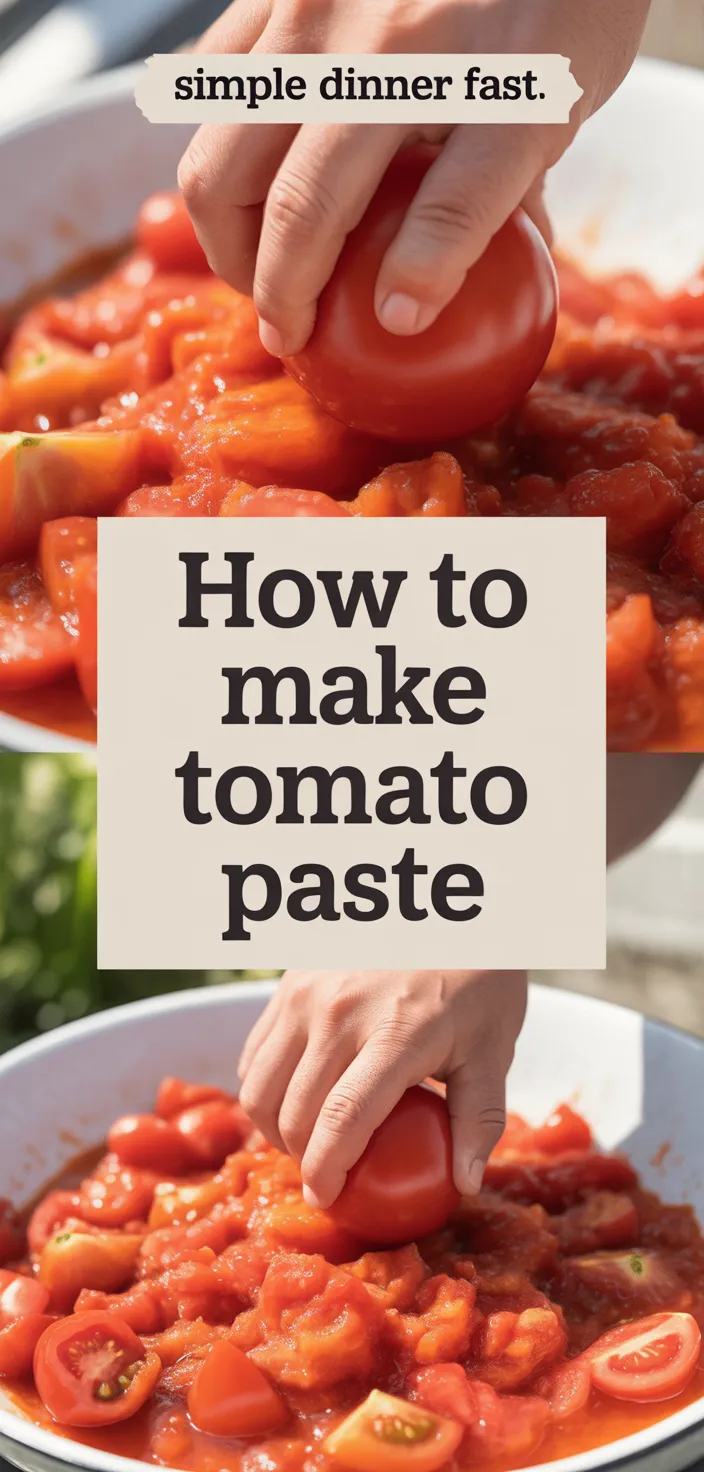
I’m obsessed with tomato paste because it’s the loudest tomato flavor I can stash in a jar. When ripe plum or Roma tomatoes are cheap and heavy at the market, I grab too many on purpose.
Future me is always grateful. This stuff turns soups, stews, sauces, beans, braises, and random weeknight dinners into something deeper and more serious without tasting fussy.
But the best part? It tastes like actual summer tomatoes, not the flat little can I forgot in the pantry.
I like adding extra virgin olive oil because it makes the whole thing feel rich, glossy, and worth hoarding.
Ingredients
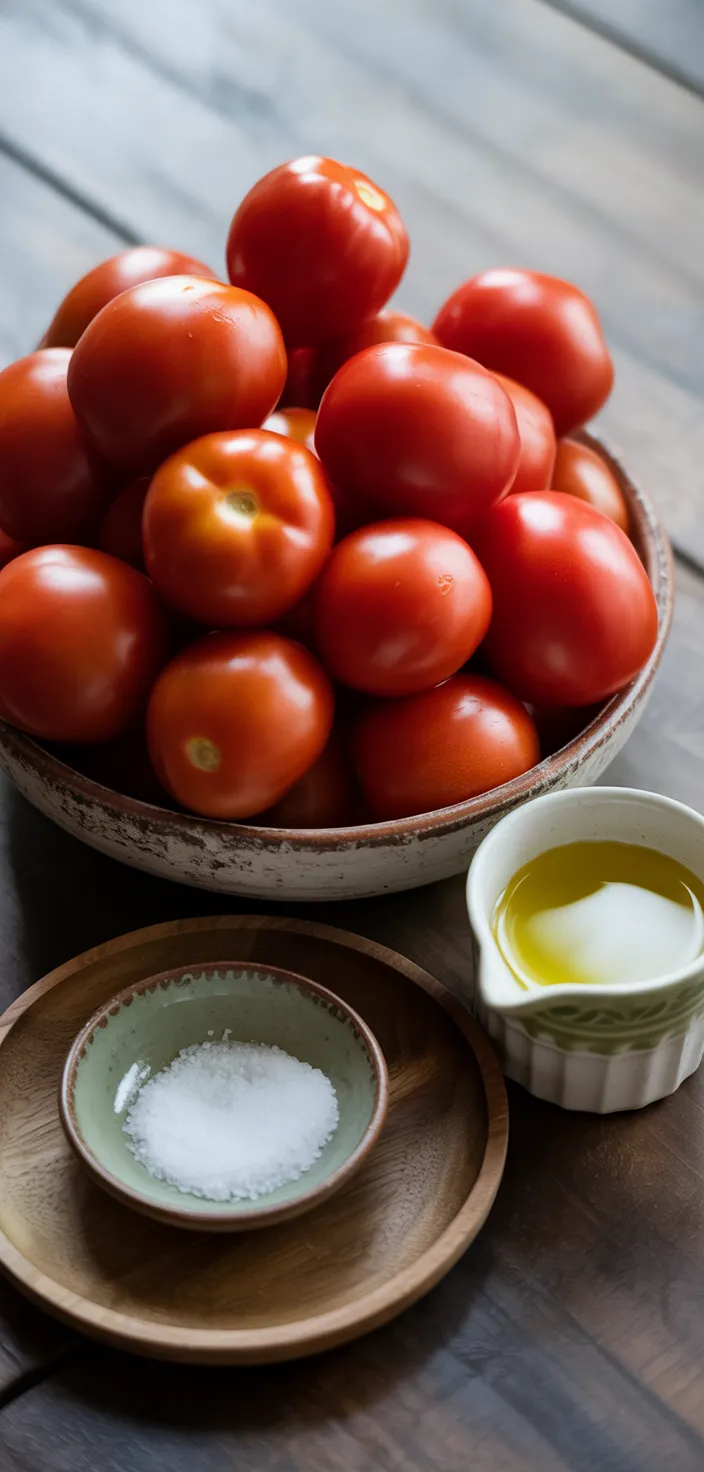
- Plum or Roma tomatoes are meaty, sweet, and perfect when you want deep tomato flavor.
- Ripe tomatoes matter here, because bland ones make paste that tastes kind of flat.
- Kosher salt wakes everything up without making the paste taste overly salty.
- Extra virgin olive oil adds a smooth, rich finish you’ll notice right away.
- Plus, olive oil helps the paste feel silky instead of dry or chalky.
- Bottled lemon juice brings the needed acidity, especially if you’re saving jars.
- Citric acid does the same job, with less flavor if you prefer that.
- Basically, these ingredients keep tomato paste bold, simple, and actually useful.
Ingredient Quantities
- 10 pounds ripe plum or Roma tomatoes
- 1 to 2 teaspoons kosher salt, adjusted to taste
- 2 tablespoons extra virgin olive oil (plus a little more for sealing jars, optional)
- 1 tablespoon bottled lemon juice per pint jar for safe preservation, or 1/4 teaspoon citric acid per pint
How to Make this
1. Wash 10 pounds ripe plum or Roma tomatoes, score an X on the blossom end of each, and blanch in boiling water for 30 to 60 seconds until skins lift, then transfer to an ice bath.
2. Peel and core the tomatoes, remove as many seeds as you prefer, and roughly chop the flesh.
3. Place chopped tomatoes in a large pot, bring to a simmer over medium heat, and cook until they break down, about 20 to 30 minutes.
4. Purée the cooked tomatoes in batches in a blender or with an immersion blender, then push the purée through a fine mesh sieve or food mill to remove remaining skins and seeds for a smooth paste.
5. Return the sieved purée to a wide stainless steel or heavy saucepan to maximize evaporation, and simmer over medium low heat, stirring frequently to prevent scorching, until the mixture reduces to a thick, concentrated paste, about 2 to 3 hours depending on pan size and water content.
6. When the paste is very thick and pulls away from the sides, season with 1 to 2 teaspoons kosher salt, adjusted to taste, and stir in 2 tablespoons extra virgin olive oil to enrich the flavor.
7. Sterilize jars and lids by boiling them for 10 minutes or using a dishwasher cycle with high heat, and heat the lids to soften seals.
8. Add 1 tablespoon bottled lemon juice or 1/4 teaspoon citric acid to each hot pint jar to ensure safe acidity, then fill jars with hot tomato paste, leaving 1/4 inch headspace, wipe rims clean, and seal with lids.
9. Process sealed pint jars in a boiling water bath for 35 minutes (adjusting for altitude as needed), then remove and let cool undisturbed for 12 to 24 hours; check seals before storing.
10. Optional: drizzle a thin layer of extra virgin olive oil over the top of each jar before sealing for extra protection and flavor. Store sealed jars in a cool dark place for up to one year, refrigerate after opening.
Equipment Needed
1. Large stockpot for blanching and initial simmering
2. Slotted spoon or spider for transferring tomatoes
3. Large bowl for ice bath
4. Serrated or chef knife and cutting board for peeling and chopping
5. Immersion blender or countertop blender for puréeing
6. Fine mesh sieve or food mill for straining
7. Wide stainless steel or heavy saucepan for reducing to paste
8. Heatproof spatula or wooden spoon for stirring
9. Canning jars with lids, jar lifter, and canning funnel
10. Large pot with rack for boiling water bath processing and kitchen towels for cooling jars
FAQ
How To Make Tomato Paste Recipe Substitutions and Variations
A quick note before you start: ripe fresh Roma or plum tomatoes give the sweetest, thickest paste, but these swaps work well when you need them.
- Tomatoes: use canned whole peeled San Marzano tomatoes, drained and crushed for best texture in off season; or rehydrated sun dried tomatoes blended with a few tablespoons of water for an intensely flavored paste.
- Kosher salt: substitute fine table salt at about 3/4 the volume of kosher salt (for example 3/4 teaspoon table salt for 1 teaspoon kosher) or use sea salt flakes at equal volume and adjust to taste.
- Extra virgin olive oil: use a neutral oil such as grapeseed or light olive oil if you want less fruity flavor, or use a small knob of butter at the end for a richer mouthfeel.
- Bottled lemon juice / citric acid: if you need an alternative acid for preservation, use 1 tablespoon distilled white vinegar per pint (it will alter flavor slightly), or use 1/2 teaspoon ascorbic acid per pint to help with color without adding vinegar taste.
Pro Tips
– Use a wide, heavy-bottomed pan and keep the heat at medium low so the paste reduces evenly. A shallow pan exposes more surface area so water evaporates faster, and the heavy bottom helps prevent scorching when you can no longer stir constantly.
– Stir in the last part of the cook time with a wooden spoon, scraping the bottom and sides regularly. When the paste starts to cling and pull away from the pan, reduce stirring frequency to avoid overworking it, but don’t let it sit unattended long enough to burn.
– Taste and adjust salt near the end rather than at the start. Tomatoes concentrate as they reduce, so salt measured early can become too strong. Add the olive oil at the finish for a rounded mouthfeel and to mellow acidity.
– Use the lemon juice or citric acid exactly as specified for safe acidity, and be careful to fill hot jars with hot paste to minimize jar breakage. If you want extra protection and a glossy finish, pour a thin layer of oil on top before sealing, but don’t skip the water bath processing.
– Cool jars undisturbed on a towel in a draft-free spot and check seals after 12 to 24 hours. Label jars with the date and consider freezing a small portion of paste for very long storage if you expect to keep it beyond a year.
How To Make Tomato Paste Recipe
My favorite How To Make Tomato Paste Recipe
Equipment Needed:
1. Large stockpot for blanching and initial simmering
2. Slotted spoon or spider for transferring tomatoes
3. Large bowl for ice bath
4. Serrated or chef knife and cutting board for peeling and chopping
5. Immersion blender or countertop blender for puréeing
6. Fine mesh sieve or food mill for straining
7. Wide stainless steel or heavy saucepan for reducing to paste
8. Heatproof spatula or wooden spoon for stirring
9. Canning jars with lids, jar lifter, and canning funnel
10. Large pot with rack for boiling water bath processing and kitchen towels for cooling jars
Ingredients:
- 10 pounds ripe plum or Roma tomatoes
- 1 to 2 teaspoons kosher salt, adjusted to taste
- 2 tablespoons extra virgin olive oil (plus a little more for sealing jars, optional)
- 1 tablespoon bottled lemon juice per pint jar for safe preservation, or 1/4 teaspoon citric acid per pint
Instructions:
1. Wash 10 pounds ripe plum or Roma tomatoes, score an X on the blossom end of each, and blanch in boiling water for 30 to 60 seconds until skins lift, then transfer to an ice bath.
2. Peel and core the tomatoes, remove as many seeds as you prefer, and roughly chop the flesh.
3. Place chopped tomatoes in a large pot, bring to a simmer over medium heat, and cook until they break down, about 20 to 30 minutes.
4. Purée the cooked tomatoes in batches in a blender or with an immersion blender, then push the purée through a fine mesh sieve or food mill to remove remaining skins and seeds for a smooth paste.
5. Return the sieved purée to a wide stainless steel or heavy saucepan to maximize evaporation, and simmer over medium low heat, stirring frequently to prevent scorching, until the mixture reduces to a thick, concentrated paste, about 2 to 3 hours depending on pan size and water content.
6. When the paste is very thick and pulls away from the sides, season with 1 to 2 teaspoons kosher salt, adjusted to taste, and stir in 2 tablespoons extra virgin olive oil to enrich the flavor.
7. Sterilize jars and lids by boiling them for 10 minutes or using a dishwasher cycle with high heat, and heat the lids to soften seals.
8. Add 1 tablespoon bottled lemon juice or 1/4 teaspoon citric acid to each hot pint jar to ensure safe acidity, then fill jars with hot tomato paste, leaving 1/4 inch headspace, wipe rims clean, and seal with lids.
9. Process sealed pint jars in a boiling water bath for 35 minutes (adjusting for altitude as needed), then remove and let cool undisturbed for 12 to 24 hours; check seals before storing.
10. Optional: drizzle a thin layer of extra virgin olive oil over the top of each jar before sealing for extra protection and flavor. Store sealed jars in a cool dark place for up to one year, refrigerate after opening.