
I made Giada’s Cacio e Pepe and the Creamy Cheese Pasta outcome is impossibly silky and so addictive you’ll keep scrolling to see how.
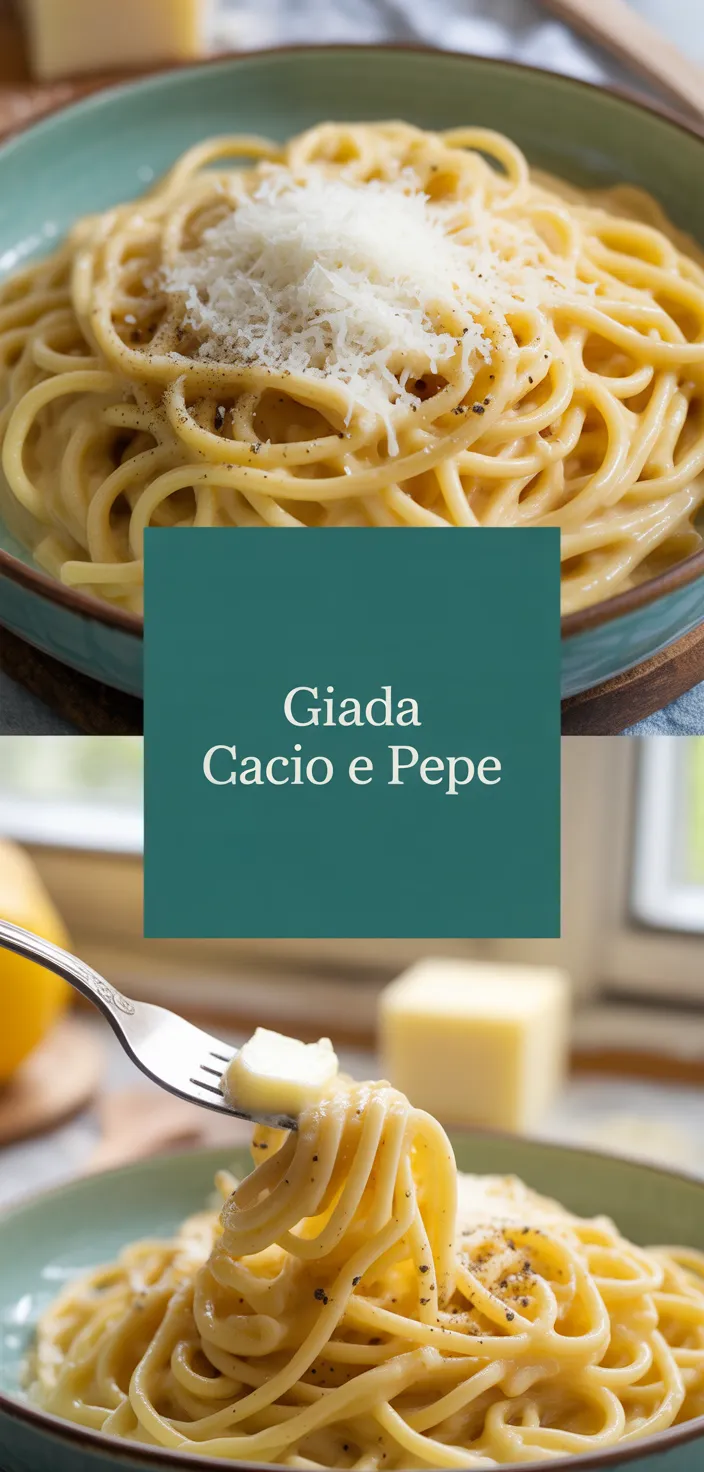
I’m obsessed with Giada’s Cacio e Pepe because it tastes impossible for how little fuss it takes. I love that dark cracked pepper against this silky, almost volcanic mound of pasta.
I adore the sting of finely grated Pecorino Romano, the dry sharpness that makes every bite sing. And that thin, glossy sauce that clings to each strand thanks to plenty of reserved pasta cooking water.
It’s loud, simple, and ridiculous in the best way. This is my go-to when I want Creamy Cheese Pasta that feels special but actually isn’t trying too hard.
No fuss, all flavor at night.
Ingredients
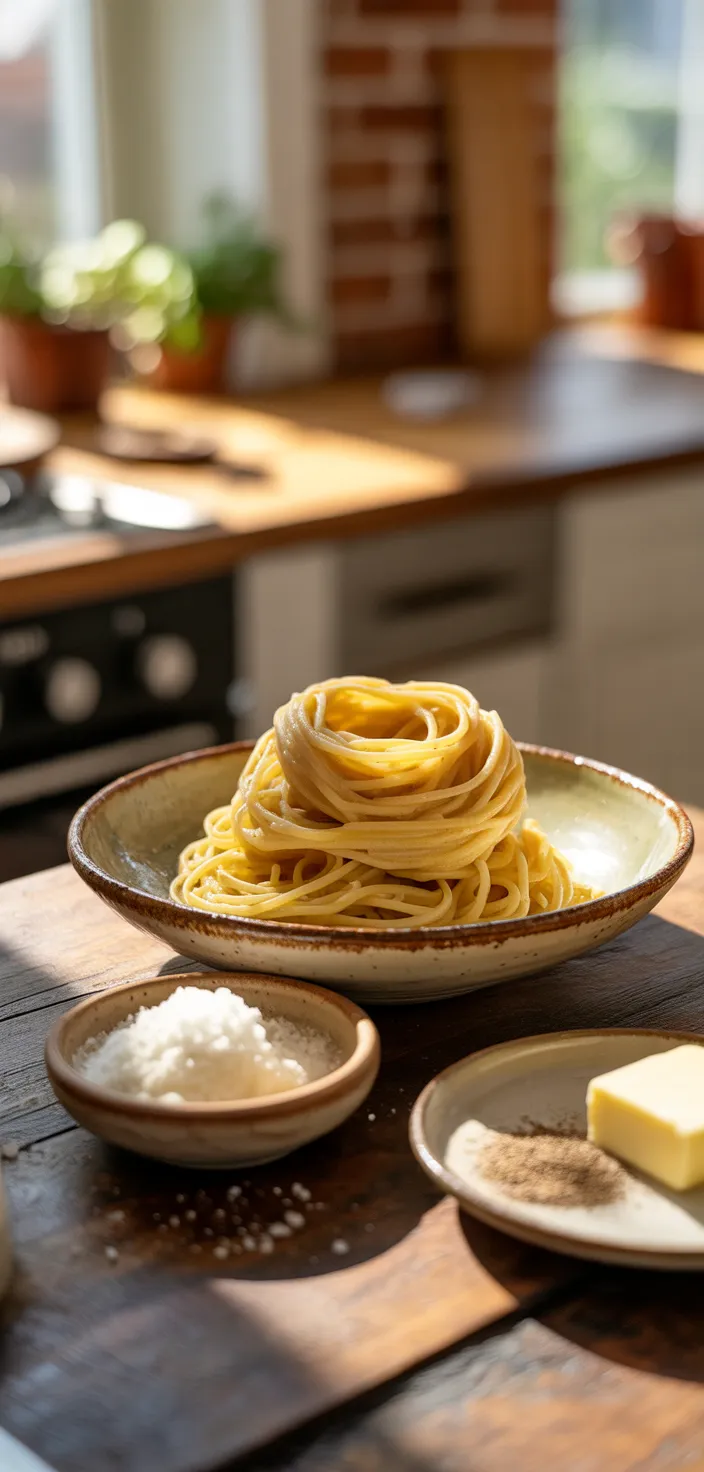
- Spaghetti gives that chewy, comforting base that soaks up the sauce.
- Pecorino brings sharp salty creaminess, basically the cheese you’ll crave.
- Plus freshly cracked pepper adds spicy bite and a little crunchy texture.
- Butter makes everything silkier, adds mellow richness and a tiny bit of gloss.
- Kosher salt seasons the pasta water so the noodles actually taste like something.
- Basically starchy pasta water loosens the sauce and ties cheese to pasta.
Ingredient Quantities
- 12 ounces spaghetti (or tonnarelli)
- 1 1/4 cups finely grated Pecorino Romano, plus extra for serving
- 2 teaspoons freshly cracked black pepper, more to taste
- 2 tablespoons unsalted butter
- Kosher salt for the pasta water
- About 1 to 1 1/2 cups reserved pasta cooking water, as needed to loosen the sauce
How to Make this
1. Bring a large pot of water to a boil, salt it generously, then add 12 ounces spaghetti and cook until just shy of al dente, about 1 to 2 minutes less than package directions.
2. While the pasta cooks, finely grate 1 1/4 cups Pecorino Romano and set aside; also crack 2 teaspoons black pepper coarsely with a cook’s mallet or the bottom of a pan for more flavor.
3. In a large, wide skillet over medium heat, add the cracked pepper and toast it for 30 to 60 seconds until fragrant, then add 2 tablespoons unsalted butter and let it melt.
4. When the pasta is nearly done, scoop out about 1 to 1 1/2 cups of the starchy cooking water and reserve in a measuring cup or bowl.
5. Drain the pasta quickly and add it straight to the skillet with the butter and pepper, tossing to coat; work fast so the pasta stays hot.
6. Remove the pan from heat and add about half the grated Pecorino, tossing or stirring vigorously while adding a few tablespoons of the hot pasta water to start building a creamy emulsion. Do this quickly so the cheese melts into a silky sauce and not clump.
7. Keep adding more cheese and reserved pasta water a little at a time until you get a smooth, creamy sauce that coats the pasta. You may not need all the water, or you might need the full 1 1/2 cups.
8. Taste and add more cracked pepper or salt if needed, remembering Pecorino is pretty salty so go easy on extra salt.
9. Serve right away with extra grated Pecorino on the side. This dish cools and thickens fast so eat it while it’s silky and warm.
Equipment Needed
1. Large pot for boiling pasta
2. Large, wide skillet (or sauté pan)
3. Fine box grater for the Pecorino
4. Colander or pasta strainer
5. Measuring cup (for 1 to 1 1/2 cups reserved pasta water)
6. Tongs or a long pasta fork for tossing the spaghetti
7. Wooden spoon or heatproof spatula for stirring, and to help emulsify the sauce
8. Small mallet or heavy-bottomed pan to crack the pepper, plus a small bowl to hold it before toasting
FAQ
Giada De Laurentiis Cacio E Pepe Recipe Substitutions and Variations
- Spaghetti (or tonnarelli) -> Bucatini or thick linguine. Both hold the peppery cheese sauce well, and bucatini gives a fun hollow bite that catches the sauce, but cooking times will vary slightly.
- Finely grated Pecorino Romano -> Aged Parmigiano Reggiano or Pecorino Toscano. Parm gives a nuttier, less salty finish; if you use Pecorino Toscano it’s milder and creamier, so taste and add salt slowly.
- Unsalted butter -> Extra-virgin olive oil or ghee. Olive oil keeps it lighter and classic for some cooks, ghee gives a rich, nutty flavor and tolerates heat better, just don’t skimp on the pepper.
- Kosher salt for the pasta water -> Sea salt or table salt, but adjust amount. Table salt is finer so use about half the volume compared to kosher, and taste the water so the pasta isn’t underseasoned.
Pro Tips
1) Salt the pasta water like the sea. If the water ain’t salty enough the whole dish will taste flat, so be generous then taste a strand while it cooks.
2) Save way more starchy pasta water than you think you need. It’s the secret to a glossy, silky sauce. Add it little by little until the cheese melts into a creamy emulsion, not a clumpy mess.
3) Toast the cracked pepper and grate the Pecorino super fine. Toasting wakes up the pepper’s oils and a fine grate melts faster, so you’ll get a smoother sauce. Don’t let the cheese sit cold or it’ll seize.
4) Work fast and don’t overheat the pan. Get the drained pasta into the buttered skillet while it’s scorching hot, then remove from heat before you add the cheese. Stir vigorously and keep the sauce moving, then eat right away because it thickens fast.
Giada De Laurentiis Cacio E Pepe Recipe
My favorite Giada De Laurentiis Cacio E Pepe Recipe
Equipment Needed:
1. Large pot for boiling pasta
2. Large, wide skillet (or sauté pan)
3. Fine box grater for the Pecorino
4. Colander or pasta strainer
5. Measuring cup (for 1 to 1 1/2 cups reserved pasta water)
6. Tongs or a long pasta fork for tossing the spaghetti
7. Wooden spoon or heatproof spatula for stirring, and to help emulsify the sauce
8. Small mallet or heavy-bottomed pan to crack the pepper, plus a small bowl to hold it before toasting
Ingredients:
- 12 ounces spaghetti (or tonnarelli)
- 1 1/4 cups finely grated Pecorino Romano, plus extra for serving
- 2 teaspoons freshly cracked black pepper, more to taste
- 2 tablespoons unsalted butter
- Kosher salt for the pasta water
- About 1 to 1 1/2 cups reserved pasta cooking water, as needed to loosen the sauce
Instructions:
1. Bring a large pot of water to a boil, salt it generously, then add 12 ounces spaghetti and cook until just shy of al dente, about 1 to 2 minutes less than package directions.
2. While the pasta cooks, finely grate 1 1/4 cups Pecorino Romano and set aside; also crack 2 teaspoons black pepper coarsely with a cook’s mallet or the bottom of a pan for more flavor.
3. In a large, wide skillet over medium heat, add the cracked pepper and toast it for 30 to 60 seconds until fragrant, then add 2 tablespoons unsalted butter and let it melt.
4. When the pasta is nearly done, scoop out about 1 to 1 1/2 cups of the starchy cooking water and reserve in a measuring cup or bowl.
5. Drain the pasta quickly and add it straight to the skillet with the butter and pepper, tossing to coat; work fast so the pasta stays hot.
6. Remove the pan from heat and add about half the grated Pecorino, tossing or stirring vigorously while adding a few tablespoons of the hot pasta water to start building a creamy emulsion. Do this quickly so the cheese melts into a silky sauce and not clump.
7. Keep adding more cheese and reserved pasta water a little at a time until you get a smooth, creamy sauce that coats the pasta. You may not need all the water, or you might need the full 1 1/2 cups.
8. Taste and add more cracked pepper or salt if needed, remembering Pecorino is pretty salty so go easy on extra salt.
9. Serve right away with extra grated Pecorino on the side. This dish cools and thickens fast so eat it while it’s silky and warm.