
I turned my spent lemons into a jar of magic and now I can’t stop pointing friends to the ridiculous Lemon Paste Uses that make weeknight dinners worth bragging about.
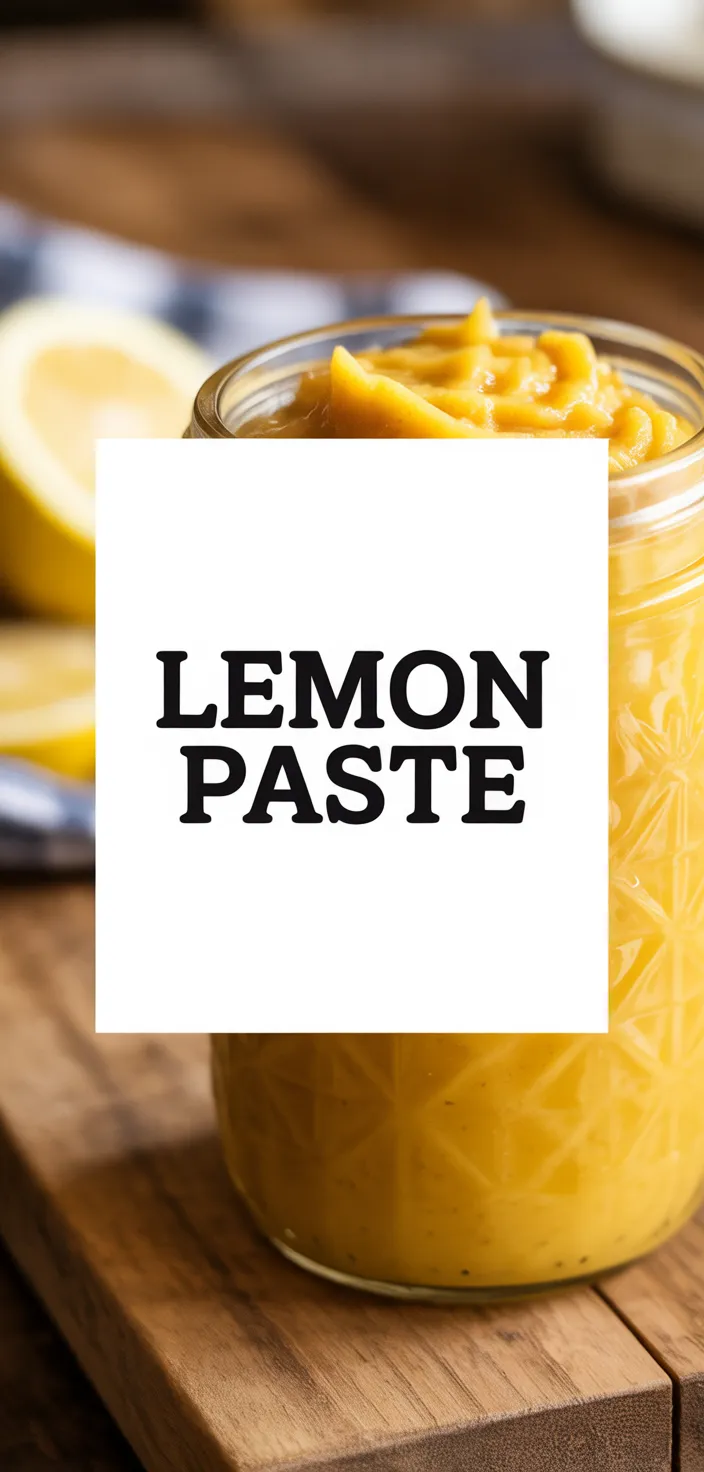
I use lemons constantly, but when I learned I could turn spent lemon peels and pulp into this sticky bright thing, I lost it. I’m obsessed with the tangy, bitter-sweet slap it gives toast, stews, and salad dressings.
And the texture if you stir in a little neutral oil, silky, stubborn, and impossible to ignore. I love that Lemon Paste Uses span from sneaking in marinades to finishing baked fish.
But mostly I hoard jars and call it my kitchen cheat. Lemon Preserves Recipes make me experiment like a maniac.
I never get bored. Worth every sticky spoon, zero regrets.
Ingredients
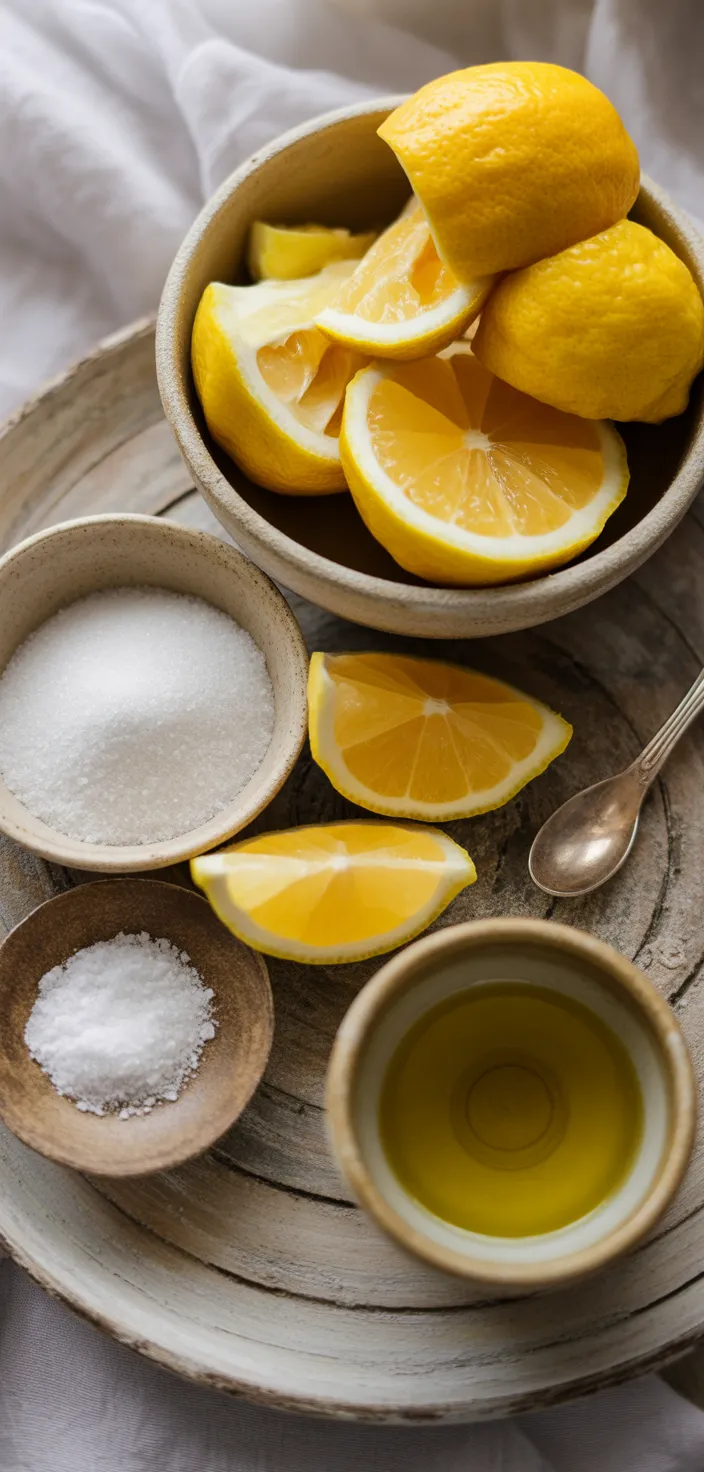
- Spent lemon peels and pulp: bright, bitter citrus punch with chewy bits and real texture.
- Granulated sugar: cuts bitterness, gives sweet body and a jammy, almost candied slightly sticky finish.
- Fine sea salt: wakes the citrus, tightens flavors and keeps it tasting bright and clean.
- Plus fresh lemon juice: adds a brighter tang and sharp, lively quick lift.
- Warm water: loosens the paste, you’ll find it easier to spread or stir.
- Basically neutral oil: smooths edges, gives silkier mouthfeel without tasting oily and glossy.
- Optional pinch of citric acid: helps preserve color and keeps it safer, longer.
Ingredient Quantities
- Spent lemon peels and pulp from 8 medium lemons (about 2 cups chopped, packed)
- Granulated sugar 1 cup (adjust to taste)
- Fine sea salt 1/2 teaspoon
- Fresh lemon juice 1 tablespoon (optional, if you want a brighter tang)
- Warm water 2 tablespoons (to help loosen the paste)
- Neutral oil 2 tablespoons (olive oil light or vegetable oil, for silkier texture)
- Optional pinch of citric acid 1/8 teaspoon (if you want extra shelf stability)
How to Make this
1. Rinse the spent lemon peels and pulp to remove any big seeds or white pith bits, pat dry and chop roughly until you have about 2 cups packed.
2. Put the chopped lemons in a food processor or blender with 1 cup granulated sugar, 1/2 teaspoon fine sea salt, and 2 tablespoons warm water; pulse until it breaks down into a coarse, wet paste.
3. Add 2 tablespoons neutral oil and, if you want a brighter tang, 1 tablespoon fresh lemon juice; pulse again until the mixture is smooth but still has a little texture.
4. Taste and adjust sugar and salt now, because once you cook it the flavors will mellow; add more sugar if you want sweeter, or a tiny pinch more salt if it tastes flat.
5. If you want extra shelf life, sprinkle in 1/8 teaspoon citric acid and briefly pulse to incorporate.
6. Transfer the paste to a small saucepan and cook over low to medium-low heat, stirring constantly, until the sugar dissolves and the paste thickens slightly, about 6 to 10 minutes; do not let it burn.
7. Remove from heat and let cool a few minutes, then taste again and tweak sweetness or acidity if needed.
8. Spoon the warm paste into a sterilized jar, press down to remove air pockets, wipe rim clean and seal; if you want a smoother paste run it through the processor one more time before jarring.
9. Let cool completely, then refrigerate; it will keep for several weeks in the fridge, or for longer storage freeze in small portions or process in a hot water bath if you used citric acid and want shelf-stable jars.
10. Use as a spread, in dressings, glazes, or to brighten sauces; it’s not perfect, sometimes a little bitter depending on the lemons, but that’s life and it still tastes great.
Equipment Needed
1. Cutting board
2. Good sharp chef’s knife
3. Food processor or high speed blender
4. Measuring cups and spoons
5. Small saucepan
6. Wooden spoon or heatproof spatula
7. Fine mesh sieve or chinois (optional for extra smoothness)
8. Sterilized jar or mason jars with lids
9. Clean kitchen towel or paper towels
FAQ
Lemon Paste Recipe Substitutions and Variations
- Spent lemon peels and pulp — swap with 1 cup chopped preserved lemons (rinsed) or 2 cups finely grated lemon zest plus 1/2 cup pulp. Preserved lemons give a mellow, salty fruitiness, zest+pulp keeps the bright fresh lemon note.
- Granulated sugar — can use 3/4 cup honey or 3/4 cup maple syrup (reduce warm water a bit), or 1 cup erythritol for a lower-calorie option. Liquid sweeteners make the paste a bit looser, so adjust texture.
- Neutral oil — replace with melted unsalted butter for a richer flavor, or light coconut oil for a slightly tropical note. Olive oil light works too if you want fruitier finish, but full olive oil can be bitter.
- Optional pinch of citric acid — use 1 tablespoon extra fresh lemon juice or 1/4 teaspoon ascorbic acid (vitamin C) instead. Both boost tang and help color stability, though fresh juice shortens shelf life a little.
Pro Tips
1) Rinse, pat, chop and then taste a tiny bit of your chopped peels before you blend everything. If they’re super bitter, cut out more of the thick white pith or add a little extra sugar or lemon juice later. Bitter lemons will stay bitter, so deal with it early.
2) Pulse don’t puree if you want texture. If you want it smoother, add the oil and warm water after the first pulse and run it a little longer. The oil really helps make it silky, but adding it too soon will make it go gummy, so start slow.
3) Cook low and stir. Low to medium-low, constant stirring, and don’t walk away. Sugar burns fast once the paste thickens, and that burnt note ruins the whole jar. If it looks like it might be sticking, lower the heat right away and stir more.
4) For longer storage use the citric acid and either freeze small portions or process jars in a hot water bath. If you’re only refrigerating, keep portions small and chill immediately after they cool. Also, label jars with date, because homemade jars do fade fast and you’ll forget when you made them.
(Quick bonus) Taste twice, adjust once. Sweetness and salt mellow with cooking and chilling, so tweak before and after cooking, but don’t go overboard or you’ll have to fix it with more acid or salt later.
Lemon Paste Recipe
My favorite Lemon Paste Recipe
Equipment Needed:
1. Cutting board
2. Good sharp chef’s knife
3. Food processor or high speed blender
4. Measuring cups and spoons
5. Small saucepan
6. Wooden spoon or heatproof spatula
7. Fine mesh sieve or chinois (optional for extra smoothness)
8. Sterilized jar or mason jars with lids
9. Clean kitchen towel or paper towels
Ingredients:
- Spent lemon peels and pulp from 8 medium lemons (about 2 cups chopped, packed)
- Granulated sugar 1 cup (adjust to taste)
- Fine sea salt 1/2 teaspoon
- Fresh lemon juice 1 tablespoon (optional, if you want a brighter tang)
- Warm water 2 tablespoons (to help loosen the paste)
- Neutral oil 2 tablespoons (olive oil light or vegetable oil, for silkier texture)
- Optional pinch of citric acid 1/8 teaspoon (if you want extra shelf stability)
Instructions:
1. Rinse the spent lemon peels and pulp to remove any big seeds or white pith bits, pat dry and chop roughly until you have about 2 cups packed.
2. Put the chopped lemons in a food processor or blender with 1 cup granulated sugar, 1/2 teaspoon fine sea salt, and 2 tablespoons warm water; pulse until it breaks down into a coarse, wet paste.
3. Add 2 tablespoons neutral oil and, if you want a brighter tang, 1 tablespoon fresh lemon juice; pulse again until the mixture is smooth but still has a little texture.
4. Taste and adjust sugar and salt now, because once you cook it the flavors will mellow; add more sugar if you want sweeter, or a tiny pinch more salt if it tastes flat.
5. If you want extra shelf life, sprinkle in 1/8 teaspoon citric acid and briefly pulse to incorporate.
6. Transfer the paste to a small saucepan and cook over low to medium-low heat, stirring constantly, until the sugar dissolves and the paste thickens slightly, about 6 to 10 minutes; do not let it burn.
7. Remove from heat and let cool a few minutes, then taste again and tweak sweetness or acidity if needed.
8. Spoon the warm paste into a sterilized jar, press down to remove air pockets, wipe rim clean and seal; if you want a smoother paste run it through the processor one more time before jarring.
9. Let cool completely, then refrigerate; it will keep for several weeks in the fridge, or for longer storage freeze in small portions or process in a hot water bath if you used citric acid and want shelf-stable jars.
10. Use as a spread, in dressings, glazes, or to brighten sauces; it’s not perfect, sometimes a little bitter depending on the lemons, but that’s life and it still tastes great.