
I make Homemade Lasagna Noodles with only eggs, flour and salt on my pasta machine, and the deceptively simple technique will make you want to read on.
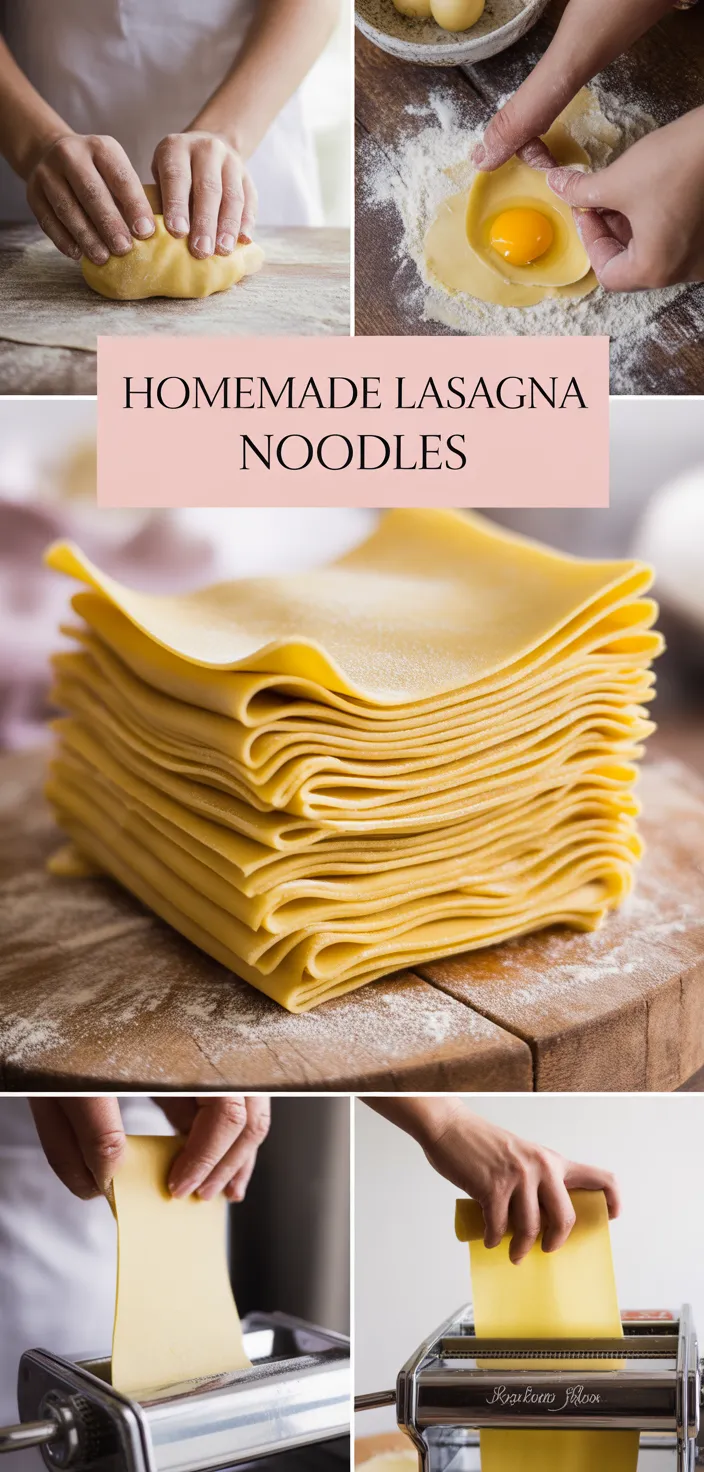
I still can’t get over how tender Fresh Lasagna Noodles feel when you pull them from the roller. I went in thinking it would be fiddly, but the results were shockingly worth it, and yes it’s made from scratch with a pasta machine.
You only need basics like all purpose flour and room temp eggs, and somehow that tiny list makes the sheets sing. This is the kind of Homemade Pasta Noodles that makes you rethink store bought stuff, and I promise there’s charm in the imperfect edges, the tiny tears, the trial and error that turns into something surprisingly brilliant.
Ingredients
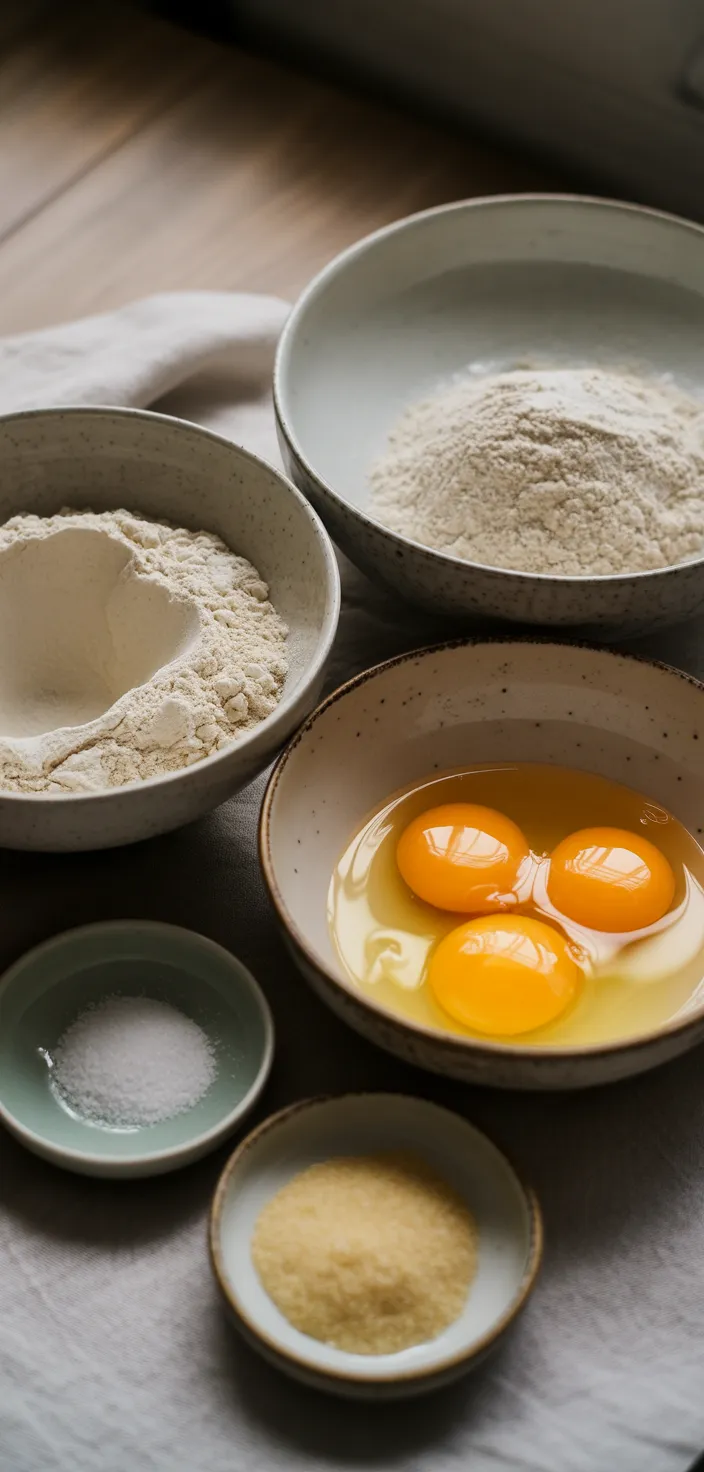
- All purpose flour: forms the noodle’s backbone, mostly carbs, little protein, gives chew and structure.
- 00 flour: silkier, softer texture, slightly lower gluten feel, makes sheets more tender and luxe.
- Semolina: optional, more bite and tooth, higher protein and more texture, great for rustic pasta.
- Eggs: provide richness, fat and protein, help bind dough, color and flavor, makes noodles silky.
- Salt: tiny amount boosts flavor not salty, helps gluten development a bit, essential small addition.
Ingredient Quantities
- 2 cups (250 g) all purpose flour
- 3 large eggs room temp
- 1/2 teaspoon fine sea salt
- Optional: up to 1/2 cup (65 g) fine semolina to replace part of the flour for more bite
- Optional: 2 cups (250 g) 00 flour for a silkier texture
How to Make this
1. Put 2 cups all purpose flour and 1/2 teaspoon salt on a clean counter or in a bowl, make a well in the center, add 3 room temperature eggs. If you want more bite replace up to 1/2 cup of the AP flour with fine semolina, or for a silkier sheet swap the 2 cups AP for 2 cups 00 flour, but still keep the 1/2 teaspoon salt and 3 eggs.
2. Use a fork to beat the eggs in the well and slowly pull in flour from the edges until a shaggy dough forms, dont panic if it looks dry at first. If the dough is crumbly add water 1 teaspoon at a time, if it is sticky add a little flour.
3. Knead the dough on a lightly floured surface about 8 to 10 minutes until smooth and elastic, it should spring back when poked. Wrap tightly in plastic wrap and let rest at room temperature for at least 30 minutes.
4. Unwrap and cut dough into 4 equal pieces, keep the pieces you arent working with covered so they dont dry out. Flatten one piece with your palm into a rough rectangle.
5. Set your pasta machine to the widest setting and feed the flattened piece through a couple times, folding it in thirds like a letter between passes to develop structure, dust lightly with flour if it sticks. Repeat once or twice until smooth.
6. Gradually reduce the thickness setting and pass the dough through each setting once or twice until the sheet is thin enough for lasagna, you want it thin but not paper thin, a good test is you should be able to see a faint print of newsprint through it or use setting 6 or 7 on most machines. Dust with flour as needed to prevent sticking.
7. Trim ragged edges and cut the sheets to fit your baking dish, use a pizza cutter or sharp knife. Dust finished sheets with a little semolina or flour and stack with parchment in between so they dont stick.
8. To use raw in your lasagna: you can layer them straight away if your sauce is wet and plenty of liquid, cover well with sauce so they cook in the oven. To precook, blanch sheets in large pot of boiling salted water 30 to 60 seconds until al dente, plunge into ice water, drain and lay on a towel or on oiled baking sheets.
9. To store: refrigerate layered between parchment up to 24 hours, or freeze single sheets separated by parchment in a sealed bag up to 1 month. Bring frozen sheets to room temperature or thaw in fridge before using.
10. Quick troubleshooting and tips: if dough cracks while rolling let it rest 10 more minutes, use as little extra flour as possible so sheets stay tender, folding early on helps gluten, and semolina on the surface keeps sheets from sticking while you work.
Equipment Needed
1. Clean work surface or large mixing bowl, for making the well and mixing the dough
2. Measuring cups and spoons (or kitchen scale) to weigh flour and measure salt and eggs
3. Fork and bench scraper, fork to beat the eggs, scraper to gather and cut dough, dont forget it sticks sometimes
4. Pasta machine with clamp (or a rolling pin if you dont have one) to roll sheets thin
5. Lightly floured pastry cloth or extra counter space for kneading
6. Plastic wrap to tightly cover dough while it rests
7. Pizza cutter or sharp knife and a ruler or straight edge to trim and size sheets
8. Large pot and slotted spoon or spider for blanching, plus a bowl of ice water for shocking cooked sheets
9. Baking sheets or trays, parchment paper, and fine semolina or flour for dusting and stacking the finished sheets
FAQ
Homemade Lasagna Noodles (Fresh Pasta Sheets!) Recipe Substitutions and Variations
- All purpose flour: Swap with bread flour (same weight, 2 cups / 250 g) for a chewier noodle, or replace up to 25% with whole wheat pastry flour for a nuttier flavor. You might need a touch more water.
- 3 large eggs: For richer, silkier sheets use 2 whole eggs plus 2 extra yolks (or 4 yolks total) instead of 3 whole eggs. Vegan swaps change the dough a lot, so I dont recommend them for classic lasagna sheets.
- 1/2 teaspoon fine sea salt: Use table salt at about half the volume (so ~1/4 tsp) since it is finer, or use kosher salt at roughly 1 teaspoon (brands vary, so taste as you go).
- Optional up to 1/2 cup fine semolina: If you dont have it, use 1/2 cup fine durum flour to keep that bite, or 1/3 cup fine cornmeal for extra texture but use sparingly since it can be gritty.
Pro Tips
– Watch the feel more than the numbers. If the dough seems dry add a teaspoon of water at a time until it holds together, if it gets sticky add flour sparingly, you can always add but you cant take it away.
– Rest it properly. Wrap tight and let it relax at least 30 minutes, longer in a cold kitchen, otherwise it will fight you when you roll and crack.
– Pick your flour for the result you want. Semolina gives chew and helps prevent sticking on the surface, 00 makes sheets silky and tender, or mix them to get a balance you like.
– Work clean and stack smart. Fold early while feeding the machine to build structure, dust very lightly to avoid toughening the sheets, and layer finished sheets with parchment and a sprinkle of semolina so they dont glue together when stored or frozen.
Homemade Lasagna Noodles (Fresh Pasta Sheets!) Recipe
My favorite Homemade Lasagna Noodles (Fresh Pasta Sheets!) Recipe
Equipment Needed:
1. Clean work surface or large mixing bowl, for making the well and mixing the dough
2. Measuring cups and spoons (or kitchen scale) to weigh flour and measure salt and eggs
3. Fork and bench scraper, fork to beat the eggs, scraper to gather and cut dough, dont forget it sticks sometimes
4. Pasta machine with clamp (or a rolling pin if you dont have one) to roll sheets thin
5. Lightly floured pastry cloth or extra counter space for kneading
6. Plastic wrap to tightly cover dough while it rests
7. Pizza cutter or sharp knife and a ruler or straight edge to trim and size sheets
8. Large pot and slotted spoon or spider for blanching, plus a bowl of ice water for shocking cooked sheets
9. Baking sheets or trays, parchment paper, and fine semolina or flour for dusting and stacking the finished sheets
Ingredients:
- 2 cups (250 g) all purpose flour
- 3 large eggs room temp
- 1/2 teaspoon fine sea salt
- Optional: up to 1/2 cup (65 g) fine semolina to replace part of the flour for more bite
- Optional: 2 cups (250 g) 00 flour for a silkier texture
Instructions:
1. Put 2 cups all purpose flour and 1/2 teaspoon salt on a clean counter or in a bowl, make a well in the center, add 3 room temperature eggs. If you want more bite replace up to 1/2 cup of the AP flour with fine semolina, or for a silkier sheet swap the 2 cups AP for 2 cups 00 flour, but still keep the 1/2 teaspoon salt and 3 eggs.
2. Use a fork to beat the eggs in the well and slowly pull in flour from the edges until a shaggy dough forms, dont panic if it looks dry at first. If the dough is crumbly add water 1 teaspoon at a time, if it is sticky add a little flour.
3. Knead the dough on a lightly floured surface about 8 to 10 minutes until smooth and elastic, it should spring back when poked. Wrap tightly in plastic wrap and let rest at room temperature for at least 30 minutes.
4. Unwrap and cut dough into 4 equal pieces, keep the pieces you arent working with covered so they dont dry out. Flatten one piece with your palm into a rough rectangle.
5. Set your pasta machine to the widest setting and feed the flattened piece through a couple times, folding it in thirds like a letter between passes to develop structure, dust lightly with flour if it sticks. Repeat once or twice until smooth.
6. Gradually reduce the thickness setting and pass the dough through each setting once or twice until the sheet is thin enough for lasagna, you want it thin but not paper thin, a good test is you should be able to see a faint print of newsprint through it or use setting 6 or 7 on most machines. Dust with flour as needed to prevent sticking.
7. Trim ragged edges and cut the sheets to fit your baking dish, use a pizza cutter or sharp knife. Dust finished sheets with a little semolina or flour and stack with parchment in between so they dont stick.
8. To use raw in your lasagna: you can layer them straight away if your sauce is wet and plenty of liquid, cover well with sauce so they cook in the oven. To precook, blanch sheets in large pot of boiling salted water 30 to 60 seconds until al dente, plunge into ice water, drain and lay on a towel or on oiled baking sheets.
9. To store: refrigerate layered between parchment up to 24 hours, or freeze single sheets separated by parchment in a sealed bag up to 1 month. Bring frozen sheets to room temperature or thaw in fridge before using.
10. Quick troubleshooting and tips: if dough cracks while rolling let it rest 10 more minutes, use as little extra flour as possible so sheets stay tender, folding early on helps gluten, and semolina on the surface keeps sheets from sticking while you work.