
I perfected a fluffy, super-easy Pide Bread that comes together in just two hours and hides a simple technique that creates its signature airy crumb.
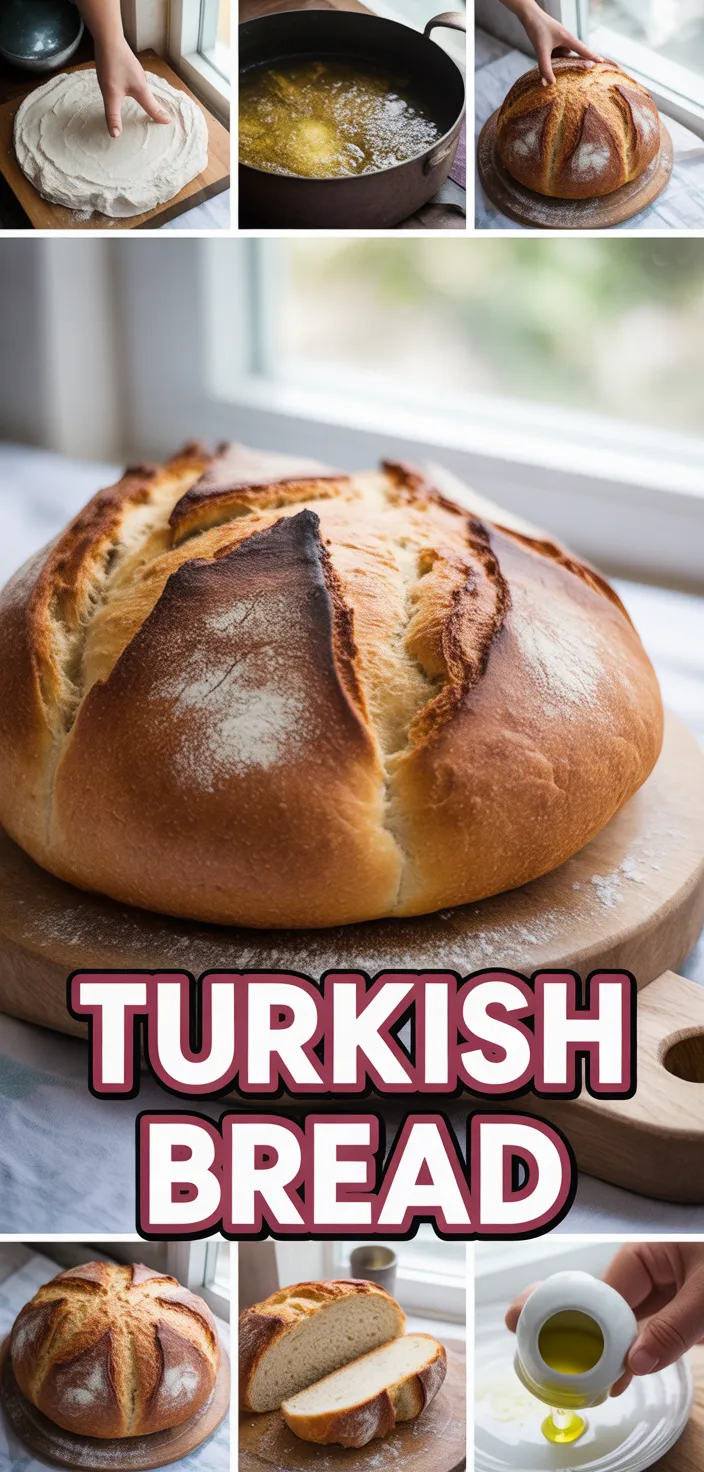
I can’t stop thinking about this Pide Bread, it’s the kind of loaf that looks simple but keeps you curious. Fluffy, soft crumb that comes together in about two hours, yet somehow every batch surprises me.
I use plain yogurt and a bit of olive oil in my version, they give it a tender, slightly tangy crumb that soaks up spreads in a way I didn’t expect. My friends always ask what I did differently, and I have to admit I don’t have a single perfect answer.
Give it a try and tell me what unexpected twist you find, I’m already wondering what yours will be.
Ingredients
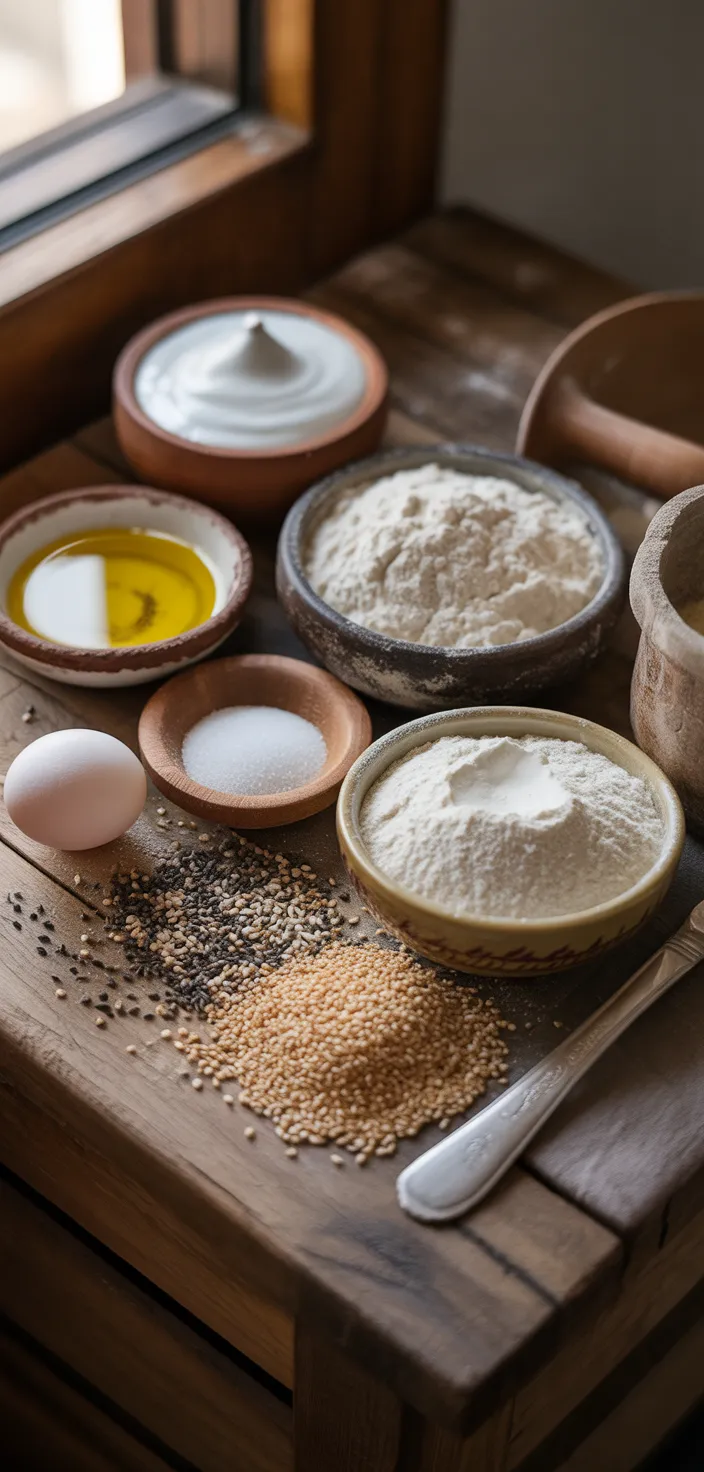
- All purpose flour gives structure, carbs for energy low fiber not very nutritious
- Plain yogurt adds tang moisture some protein and probiotics makes dough tender
- Instant yeast ferments sugars produces lift and flavor also needs warmth
- Sugar feeds yeast slight sweetness too much makes loaf dense
- Salt controls fermentation boosts flavor but can curb yeast if used alot
- Olive oil adds richness softer crumb healthy fats but use sparingly
- Sesame or nigella seeds add crunch nutty or herbal notes optional
- Egg wash gives shine some color and helps seeds stick
Ingredient Quantities
- 500 g (about 4 cups) all purpose flour
- 240 ml (1 cup) warm water
- 120 g (1/2 cup) plain yogurt
- 7 g (1 packet or 2 1/4 tsp) instant yeast
- 1 tbsp granulated sugar
- 2 tsp fine salt
- 2 tbsp olive oil
- 1 large egg (for brushing)
- 1 tbsp milk or water
- 1 tbsp sesame seeds (optional)
- 1 tbsp nigella seeds black cumin (optional)
- 2 tbsp melted butter (optional)
How to Make this
1. In a small bowl stir 240 ml warm water (not hot), 1 tbsp sugar and 7 g instant yeast, let sit 5 minutes until a little foamy; if it doesn’t foam that’s ok, proceed anyway.
2. In a large bowl whisk together 500 g all purpose flour and 2 tsp fine salt, make a well and add the yeast mixture, 120 g plain yogurt and 2 tbsp olive oil. Mix with a wooden spoon until a shaggy dough forms.
3. Turn dough onto a lightly floured surface and knead 8 to 10 minutes until smooth and elastic, or use a stand mixer with dough hook 5 to 6 minutes. It might feel sticky at first, that’s normal.
4. Lightly oil a bowl, place the dough inside, cover with a clean towel or plastic wrap and let rise in a warm spot about 45 to 60 minutes until roughly doubled.
5. Punch dough down, divide into 2 large or 3 medium portions, shape each into an oval by folding edges under and rolling gently. Place on a baking sheet lined with parchment, spacing them apart.
6. Cover and let shaped loaves rest 20 to 30 minutes while you preheat the oven to 220°C / 425°F. They should puff up a bit.
7. Press your fingers into the top of each loaf to make the classic pide dimples and long shallow grooves along the length; mix 1 large beaten egg with 1 tbsp milk or water and brush over the tops.
8. Sprinkle 1 tbsp sesame seeds and/or 1 tbsp nigella seeds where you like, they’re optional but traditional.
9. Bake on the middle rack 12 to 18 minutes until golden brown and the loaf sounds hollow when tapped; larger loaves take longer so watch closely.
10. Right after baking brush with 2 tbsp melted butter if using, cool a few minutes on a rack and serve warm. Store in a paper bag or wrapped for 1 to 2 days and reheat briefly before serving.
Equipment Needed
1. Digital kitchen scale or measuring cups and spoons
2. Small bowl for proofing the yeast
3. Large mixing bowl
4. Whisk
5. Wooden spoon or sturdy spatula for mixing
6. Stand mixer with dough hook (optional, for easier kneading)
7. Bench scraper or sharp knife to divide the dough
8. Baking sheet and parchment paper
9. Pastry brush and a cooling rack
FAQ
Turkish Bread Recipe Substitutions and Variations
- All purpose flour: swap with bread flour for a chewier crumb (use the same weight), or use up to 50% whole wheat for nuttier flavor. You can also try a 1:1 gluten free yeast bread blend though the loaf will be a bit denser.
- Plain yogurt: sour cream or Greek yogurt work great; thin Greek with a tablespoon water if it’s too thick. If you want a tangier, looser option use buttermilk or kefir and cut the warm water by 1 to 2 tbsp.
- Instant yeast: active dry yeast is fine, just proof it in the warm water with the sugar for 5 to 10 minutes until bubbly. Fresh (cake) yeast can be used at about 3 times the weight of instant, crumbled and proofed the same way.
- Egg for brushing: swap for a milk wash for a soft golden crust, or plain water for a lighter color. For extra flavor brush melted butter on right after baking instead of before.
Pro Tips
– Let the yeast proof a bit longer if it seems slow, dont panic if it barely foams. Warmer water (about body temp) speeds things up, and if you want consistent results check the water with a thermometer. Even if you skip a strong foam, give the dough a little extra rising time rather than rushing the bake.
– When kneading and shaping, keep your hands lightly oiled instead of adding lots of flour. Dough that feels sticky at first will become smooth with a few extra minutes, and letting the dough rest 5 to 10 minutes halfway through kneading makes it much easier to handle. Use the windowpane test to know it’s ready.
– For a better crust, bake on a preheated baking stone or heavy sheet and create steam in the oven during the first few minutes (throw a small pan of hot water on the bottom rack or spray water once right after loading). That gives a nice crisp outside while keeping the inside soft. Rotate the tray halfway so browning is even.
– Brush with butter right after the loaves come out for the classic glossy, soft finish, but if they’re browning too fast in the oven, tent loosely with foil for the last few minutes. To keep loaves fresh, cool fully then store in a paper bag or freeze slices, reheat briefly before serving.
Turkish Bread Recipe
My favorite Turkish Bread Recipe
Equipment Needed:
1. Digital kitchen scale or measuring cups and spoons
2. Small bowl for proofing the yeast
3. Large mixing bowl
4. Whisk
5. Wooden spoon or sturdy spatula for mixing
6. Stand mixer with dough hook (optional, for easier kneading)
7. Bench scraper or sharp knife to divide the dough
8. Baking sheet and parchment paper
9. Pastry brush and a cooling rack
Ingredients:
- 500 g (about 4 cups) all purpose flour
- 240 ml (1 cup) warm water
- 120 g (1/2 cup) plain yogurt
- 7 g (1 packet or 2 1/4 tsp) instant yeast
- 1 tbsp granulated sugar
- 2 tsp fine salt
- 2 tbsp olive oil
- 1 large egg (for brushing)
- 1 tbsp milk or water
- 1 tbsp sesame seeds (optional)
- 1 tbsp nigella seeds black cumin (optional)
- 2 tbsp melted butter (optional)
Instructions:
1. In a small bowl stir 240 ml warm water (not hot), 1 tbsp sugar and 7 g instant yeast, let sit 5 minutes until a little foamy; if it doesn’t foam that’s ok, proceed anyway.
2. In a large bowl whisk together 500 g all purpose flour and 2 tsp fine salt, make a well and add the yeast mixture, 120 g plain yogurt and 2 tbsp olive oil. Mix with a wooden spoon until a shaggy dough forms.
3. Turn dough onto a lightly floured surface and knead 8 to 10 minutes until smooth and elastic, or use a stand mixer with dough hook 5 to 6 minutes. It might feel sticky at first, that’s normal.
4. Lightly oil a bowl, place the dough inside, cover with a clean towel or plastic wrap and let rise in a warm spot about 45 to 60 minutes until roughly doubled.
5. Punch dough down, divide into 2 large or 3 medium portions, shape each into an oval by folding edges under and rolling gently. Place on a baking sheet lined with parchment, spacing them apart.
6. Cover and let shaped loaves rest 20 to 30 minutes while you preheat the oven to 220°C / 425°F. They should puff up a bit.
7. Press your fingers into the top of each loaf to make the classic pide dimples and long shallow grooves along the length; mix 1 large beaten egg with 1 tbsp milk or water and brush over the tops.
8. Sprinkle 1 tbsp sesame seeds and/or 1 tbsp nigella seeds where you like, they’re optional but traditional.
9. Bake on the middle rack 12 to 18 minutes until golden brown and the loaf sounds hollow when tapped; larger loaves take longer so watch closely.
10. Right after baking brush with 2 tbsp melted butter if using, cool a few minutes on a rack and serve warm. Store in a paper bag or wrapped for 1 to 2 days and reheat briefly before serving.